Breeds / Toy
Russian Tsvetnaya Bolonka puppies
Sociable, cheerful and easy to train, the Russian Tsvetnaya Bolonka is a small coloured lapdog from Russia that is happiest in company and rarely noisy.
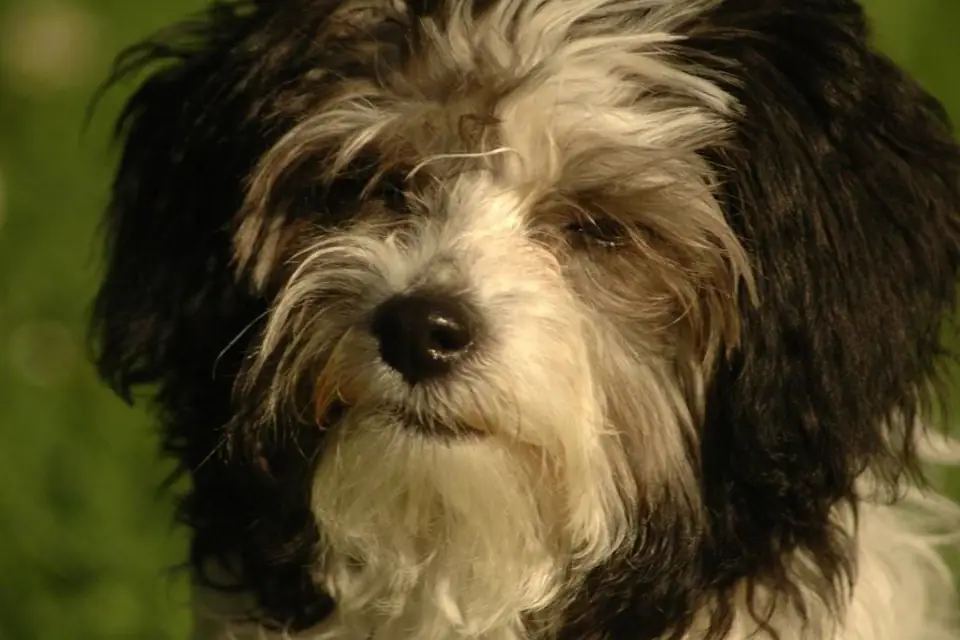
The facts
- Size class Toy
- Country of origin Russia
- Adult weight 2.7 to 4.1 kg
- Adult weight in pounds 6 to 9 lb
- Adult height 28 cm
- Energy level Moderate
- Grooming Moderate
- Coat type Medium wavy
- Shedding Moderate
- Typical lifespan 14 to 20 years
- Good with children Reliably good
- Good with other dogs Reliably good
About the Russian Tsvetnaya Bolonka
The Russian Tsvetnaya Bolonka is a small companion breed from Russia, descended from bichon type lapdogs given as gifts to the Russian court and later rebuilt from a handful of surviving dogs. They weigh 2.7 to 4.1 kg and stand about 28 cm, under a medium wavy coat that comes in colours other than white, which is what the name refers to. They are sociable and quietly confident, rated five out of five both with children and with other pets, and they live 14 to 20 years.
As a lapdog they need little exercise: walks, indoor games and a proper romp a couple of times a week. Grooming is the real work, with combing several times a week to keep mats out and the topknot tied up so hair does not scratch the eyes. They bark very little and train easily. Supervision and early socialisation still apply around young children, given how small they are. Discourage a young dog from jumping on and off furniture, which puts the kneecaps at risk.
What to expect at eight weeks
At eight weeks a Russian Tsvetnaya Bolonka puppy is sleeping around 18 to 20 hours a day, is not house trained, and cannot hold on for more than an hour or two at a stretch. A toy breed puppy at eight weeks is small enough to be genuinely fragile. They can be hurt by a jump off a sofa and by being stepped on, and toy breeds are prone to low blood sugar, so they need frequent small meals rather than two big ones. Expect moderate energy, in short bursts separated by long naps. Grooming needs are moderate, so build the brushing habit now while the coat is still short and easy. The socialisation window is open and closing: everything they meet calmly now, from vacuum cleaners to men in hats, is easier for the rest of their life.
Health worth knowing about
Conditions this breed is reported to be predisposed to. Predisposed does not mean inevitable, it means ask about it.
- Patellar luxation, graded by a veterinary orthopaedic exam, with jumping discouraged until a dog is fully grown
- Corneal abrasions from hair falling into the eyes, prevented by keeping the topknot tied up
- Heart disease, screened by a cardiac exam
- Portosystemic liver shunt, diagnosed by blood work and imaging
- Legg Calve Perthes disease, screened by a hip evaluation
- Progressive retinal atrophy (PRA), detectable by DNA test
Your Russian Tsvetnaya Bolonka puppy's first six months
- Vaccination schedule, dated for your country.
- Worming and parasite schedule.
- Feeding calculator. Set expected adult size to Toy for a Russian Tsvetnaya Bolonka.
- Adult size predictor, to check growth against the 2.7 to 4.1 kg adult range.
- Puppy names and the first week checklist.
Kit sizes: crate 22 inch (22 x 14 x 16 in, 56 x 36 x 41 cm) for an adult of up to 4.1 kg; chew toys made for small breeds. Worked out the same way as the crate size calculator. PetMD bases a crate on the dog's own measurements, not weight or breed alone, so measure once the puppy is home.
Buying guides for this
Other toy breeds
More on the Russian Tsvetnaya Bolonka
Previous: Russian Toy · Next: Saarloos Wolfhond
Not veterinary advice. Breed information is general. Your own dog, and your own vet, always win.
Sources
- akc.org for adult weight and height, life expectancy, energy, grooming, shedding and the temperament ratings, coat type, country of origin and health notes
- Health notes from Russian Tsvetnaya Bolonka breed information at https://www.akc.org/dog-breeds/russian-tsvetnaya-bolonka/. Discuss any of these with your own vet.
Photo: Kieshy, Public domain, via Wikimedia Commons, cropped. All photographers are listed on the photo credits page.