Seasonal dog safety through the year
Most seasonal emergencies are predictable: fireworks nights, holiday food, and whatever is growing or being spread on the ground that month. Here is the year in one table, with dates for both hemispheres.
On this page
The year at a glance
The seasons flip between hemispheres. The Met Office counts UK summer as June to August and winter as December to February. In Australia and New Zealand, summer is December to February, which is why Christmas falls in the heat there.
| Hazard | When in the northern hemisphere | When in Australia and New Zealand | Why it matters |
|---|---|---|---|
| Fireworks | Bonfire Night 5 November (UK), Victoria Day in May and Canada Day 1 July (Canada), Fourth of July (US), Halloween in parts of Canada, New Year's Eve | New Year's Eve and Australia Day (Australia), Guy Fawkes 5 November (NZ), plus shows and festivals | Frightened dogs bolt, break through fences and windows, and get hit by cars |
| Christmas food and decorations | December, in winter | December, in summer | Chocolate, raisins in puddings and mince pies, onions, bones, tinsel and electric wires |
| Easter chocolate and hot cross buns | Easter weekend, in spring | Easter weekend | Theobromine in chocolate is toxic, and raisins can cause kidney failure |
| Spring bulbs such as daffodils and tulips | Spring | Spring | Bulbs hold more toxin than the leaves or flowers |
| Bees and wasps | Spring to early autumn | Spring to early autumn | Stings to the face or paws, and some dogs have allergic reactions |
| Slug and snail pellets | Spring gardening season | Spring gardening season | Metaldehyde baits can kill even in small amounts |
| Cocoa shell mulch | Garden season | Rarely sold in Australia, says RSPCA Australia | Contains theobromine and smells like chocolate to dogs |
| Heat and hot cars | June to August in the UK | December to February | Heatstroke can kill quickly |
| Blue green algae | Summer and early autumn | Warm months | Toxins in still water can be fatal |
| Grass seeds and foxtails | When grasses dry and set seed. US foxtails are worst from May to December | When grasses dry and set seed | Barbed seeds burrow into paws, ears, eyes and skin |
| Paralysis ticks | Not present | Eastern Australia: all year in the north, spring to late autumn further south | Toxin causes paralysis and can kill |
| Snakes | US: autumn, as snakes prepare to hibernate | Australia: warmer months | Venomous bites need urgent treatment |
| Conkers and acorns | Autumn | Autumn, where oaks and horse chestnuts grow | Vomiting, stomach upset and gut blockages |
| Wild mushrooms | Autumn | Autumn | A few species are deadly and hard to tell apart |
| Alabama rot (CRGV) | UK: mostly November to May | Not flagged by the bodies we checked | Rare, but can cause skin sores and kidney failure |
| Antifreeze | Autumn and winter | Winter | Tastes sweet, and small amounts cause kidney failure |
| Road salt, grit and ice melt | Winter, where roads are treated | Only where paths or roads are salted | Irritates paws, and is harmful if licked off or eaten |
| Cold | Winter | Winter | Small, thin coated, young, old and unwell dogs chill fast |
Seasonal hazards for dogs and when they peak
Fireworks nights
Fireworks can reach 120 to 175 decibels, says the RSPCA, well above the 85 decibels where human hearing starts to be damaged, and dogs hear more than we do. BC SPCA cites research suggesting nearly half of dogs are fearful of loud noises such as fireworks, thunderstorms and gunshots.
- Weeks ahead, play recorded firework sounds quietly while your dog eats or plays, and build up slowly. SPCA New Zealand and PDSA both recommend this, especially for puppies.
- If your dog panics at loud noises, talk to your vet well before the night. The ASPCA suggests a practice dose of any prescribed medication before the big night.
- Walk your dog in daylight, then feed them a meal a couple of hours later (RSPCA Australia).
- Close windows, doors and curtains, and put on the TV or music to mask the bangs.
- Set up a den, such as a covered crate or a box with blankets, and let your dog choose it.
- Stay home and stay calm. Comfort your dog if they come to you, but do not punish fear or force them out of hiding.
- Never tether your dog outside or leave them in the garden during fireworks (RSPCA Australia).
- Check that the microchip details are up to date and your dog wears an ID tag, in case they escape.
Australia
RSPCA Australia lists New Year's Eve and Australia Day displays in every state and territory, plus Territory Day on 1 July in the Northern Territory, royal shows, Brisbane Riverfire and other festivals. Check your council's website for displays near you.
United States
The Fourth of July is the big one, and New Year's Eve brings fireworks and noisemakers too (ASPCA). The ASPCA also warns that dogs will eat fireworks, used or unused, because they contain chemicals and heavy metals. Clear up the garden before letting your dog out.
United Kingdom
Bonfire Night on 5 November and New Year's Eve are the peak nights, according to the RSPCA. Backyard displays across the season are a major concern for owners.
Canada
Fireworks cluster around Victoria Day (the Monday before 25 May), Canada Day on 1 July and New Year's Eve. Ontario SPCA and Toronto Humane Society both publish advice for those long weekends. In British Columbia, BC SPCA says Halloween is one of the worst fireworks nights of the year for lost and injured animals.
New Zealand
Guy Fawkes on 5 November is the main night, says SPCA New Zealand. Because fireworks are sold to the public, there is no set day, so stay alert through the weeks around it and on New Year's Eve.
Christmas, Halloween and holiday food
Holiday tables are full of foods that are toxic to dogs, and decorations are easy to swallow. Stick to your dog's normal food. If they get something, ring your vet straight away. Do not wait for symptoms.
- Chocolate: cocoa powder and dark or baking chocolate are the most dangerous, and chocolate tree decorations are an easy grab (PDSA, RSPCA Australia).
- Raisins, sultanas and currants in Christmas pudding, mince pies, Christmas cake and panettone can cause kidney failure. The toxic amount varies, and some dogs are poisoned by very little (PDSA).
- Onions, garlic, leeks and shallots, including in gravy and stuffing, can cause severe anaemia (PDSA).
- Cooked bones can splinter and block the gut. Keep bins closed and take the rubbish out (PDSA, ASPCA).
- Alcohol: keep drinks out of reach and clear up spills (ASPCA).
- Tinsel, ribbon, small decorations, batteries and fairy light wires can cause blockages, burns or electric shocks (ASPCA, PDSA).
- Holly, mistletoe and poinsettia can all make dogs ill (ASPCA, PDSA).
- Snow globes can contain ethylene glycol, the poison in antifreeze. Clear up breakages at once (ASPCA).
- Keep guests' medicines in a closed cupboard rather than in bags on the floor (ASPCA).
- At Halloween, keep sweets and chocolate out of reach, and walk your dog before trick or treaters arrive (PDSA).
Australia
Christmas falls in summer, so the holiday food hazards come on top of heat, hot cars and snakes. Plan walks for early morning.
United States
The ASPCA says its holiday advice applies to whichever holiday you celebrate: keep your dog on their normal diet, and keep turkey or chicken bones, fatty food and drinks out of reach.
United Kingdom
Christmas falls in winter, so add antifreeze and grit to the list if you are travelling or walking on treated roads.
Canada
Christmas falls in winter. Wash off road salt and ice melt after walks, and keep snow globes and salt dough ornaments out of reach (ASPCA).
New Zealand
Christmas falls in summer, so plan for heat, hot cars and the black iron sand on west coast beaches alongside the food risks.
Easter
- Chocolate eggs are the main danger. RSPCA Australia calls out Easter by name, and PDSA says it sees hundreds of dogs poisoned by chocolate each year.
- Hot cross buns and Simnel cake contain raisins, currants or sultanas, which can cause kidney failure (PDSA).
- For an egg hunt, count the eggs you hide and keep your dog out until every one is found (PDSA).
- Small decorations, fluffy chicks, ribbons and plastic basket grass can cause choking or blockages. Line baskets with shredded paper instead (PDSA).
Spring
- Bulbs such as daffodils and tulips are toxic, and the bulb is more concentrated than the leaves or flowers. Keep your dog away when you plant or dig (PDSA). SPCA New Zealand also lists daffodils, aloe vera and tomato plants.
- Bees and wasps: stings usually land on the face or paws. Bees leave the sting in, and wasps can sting more than once. Rapid swelling or several stings means ring the vet (PDSA).
- Slug and snail pellets containing metaldehyde look like dog biscuits. Symptoms can start within an hour, and eating even a small amount can be fatal (RSPCA Australia). Outdoor use of metaldehyde has been banned in Great Britain since the end of March 2022, but old stock and other countries' products are still around.
- Cocoa shell mulch smells of chocolate and contains theobromine. RSPCA Australia says some reports suggest about 250 g (9 oz) could be fatal for a medium sized dog, and recommends not using it at all.
- Fertilisers, weedkillers and insecticides: keep your dog off treated areas until they are dry or watered in, as the label directs (ASPCA).
- Fleas and ticks become more active, so check that your dog's prevention is up to date (ASPCA, PDSA).
Summer
Heatstroke, hot cars, hot pavements and sunburn have their own page. The other summer hazards are blue green algae in still water, grass seeds and foxtails, and in Australia, paralysis ticks and snakes. See the hot weather guide for first aid and the local hazards in each country.
Autumn
- Conkers and acorns: PDSA says serious poisoning is rare, but they can cause vomiting, stomach upset and gut blockages. Keep them out of reach on walks and at home.
- Wild mushrooms: the ASPCA says about 1% of mushrooms are highly toxic, and they are hard to tell apart from harmless ones. Keep your dog away from all of them.
- Blue green algae can linger into early autumn (PDSA).
- Rat and mouse bait use rises as rodents move indoors, and the baits are designed to be tasty (ASPCA, RSPCA Australia).
- Autumn is when many people change their car's coolant. Clean up spills at once (ASPCA).
- In the US, the ASPCA warns that snakes preparing to hibernate make bites more likely.
- Darker evenings: use a reflective or light up collar and keep your dog on the lead after dark (PDSA).
Alabama rot (cutaneous and renal glomerular vasculopathy) is a rare disease tracked mainly by UK vets. PDSA says almost all cases occur between November and May, often after muddy or woodland walks. Check for unexplained sores on the legs, feet, face or tongue, wash muddy legs after walks, and see your vet about any sore you cannot explain.
Winter
- Antifreeze, screen wash and brake fluid can contain ethylene glycol. It tastes sweet, and small amounts damage the kidneys. PDSA says a dog has a better chance if treatment starts within 12 hours, so go to the vet before symptoms show.
- Store antifreeze sealed and labelled, and clean up spills at once. The ASPCA suggests propylene glycol coolant, which is much less toxic.
- Road salt, grit and ice melt irritate paws and are harmful if licked off. Wash and dry your dog's feet and belly after walks. A paw balm or boots help, and the ASPCA suggests pet friendly ice melt at home.
- Snow balls up between the pads. Keep the hair there trimmed and soak snow off in warm water rather than pulling it (PDSA).
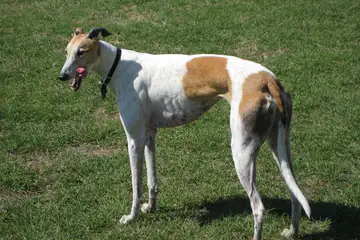
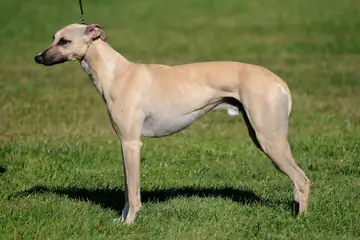
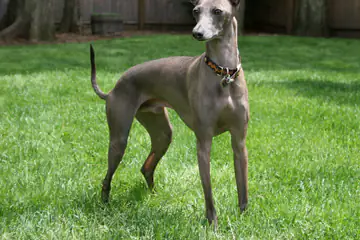
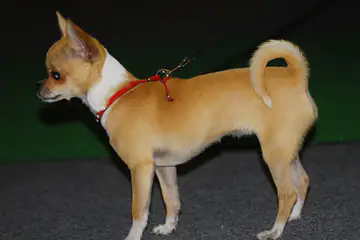
- Thin coated breeds such as Greyhounds and Whippets, small breeds such as Chihuahuas, and young, old, underweight or unwell dogs feel the cold fastest. Use a well fitting coat and shorter walks, and head home if your dog shivers or slows down (PDSA).
- Keep your dog on the lead near frozen ponds and lakes, and in snow, where dogs can lose their scent and get lost (PDSA, ASPCA).
- Never leave a dog alone in a car in cold weather. The ASPCA warns that cars hold in the cold.
This is general guidance, your vet sets the actual schedule. Local disease risk, the products your clinic stocks and your puppy’s own history all change the plan. Take this page to your vet as a starting point, not as an instruction.
Breeds this matters most for
Common questions
How do I keep my dog calm during fireworks?
Walk them in daylight, keep them indoors with the curtains shut and the TV or music on, and give them a den to hide in. Stay home and stay calm. If your dog panics every year, talk to your vet weeks before, and start playing quiet recorded firework sounds while they eat.
What Christmas foods are dangerous for dogs?
Chocolate; raisins, sultanas and currants in pudding, mince pies and cake; onions, garlic and leeks, including in gravy and stuffing; cooked bones; and alcohol. PDSA says the toxic dose of raisins varies and can be very small. Ring your vet straight away if your dog eats any of them.
Are hot cross buns bad for dogs?
Yes. They contain raisins, currants or sultanas, which PDSA says can cause kidney failure, and chocolate versions add theobromine. There is no known safe amount for any one dog, so ring your vet if your dog eats one.
Are conkers and acorns poisonous to dogs?
They can be. PDSA says serious poisoning is rare, but conkers and acorns can cause vomiting, stomach upset and gut blockages. Stop your dog picking them up on autumn walks and keep any the children collect out of reach.
Is road salt or grit bad for dogs' paws?
It can irritate and crack the pads, and swallowing ice melt can upset the balance of salts in the body, says the ASPCA. Wash and dry your dog's feet after winter walks, use a paw balm or boots, and choose a pet friendly ice melt at home.
What should I do if my dog drinks antifreeze?
Go to the vet immediately, before any symptoms appear. PDSA says dogs have a better chance of surviving if treatment starts within 12 hours. The same poison, ethylene glycol, can be in screen wash, brake fluid, water features and snow globes.
Which dogs need a coat in winter?
PDSA says thin coated dogs such as Greyhounds and Whippets, small breeds such as Chihuahuas, and dogs that are very young, old, underweight or unwell benefit from a coat. A fit dog with a thick coat usually does not need one while active. Bring any dog home if they start shivering.
Next
How we worked this out
Hemisphere dates come from the Met Office (UK seasons) and NIWA (New Zealand summer). Australia's Bureau of Meteorology pages would not load when we checked, so the Australian months follow the same southern hemisphere split. Where a source gives no months, the table uses season names rather than invented dates.
Fireworks dates come from the organisation named for each country: RSPCA (UK), SPCA New Zealand (Guy Fawkes), RSPCA Australia (its state by state list), the ASPCA (Fourth of July and holiday season), Ontario SPCA (Victoria Day), Toronto Humane Society (Canada Day), BC SPCA (Halloween in British Columbia) and the Government of Canada for how Victoria Day's date is set.
Alabama rot is included only for the UK, where PDSA describes it and gives the November to May pattern. None of the Australian, New Zealand, US or Canadian bodies we checked lists it as a seasonal risk, so we do not suggest it is one there.
Cocoa mulch: RSPCA Australia says it is generally not sold in Australia but could turn up as a by-product from local chocolate makers. The 250 g figure is its own hedged wording (some reports suggest), and we kept that hedge.
Metaldehyde: the UK government announced a ban on outdoor use in Great Britain from the end of March 2022. Rules differ elsewhere, so the advice to keep pellets away from dogs applies everywhere.
Sources
- Met Office, Our seasons: https://www.metoffice.gov.uk/weather/learn-about/met-office-for-schools/other-content/other-resources/our-seasons
- NIWA, Summer 2025-26 seasonal climate summary: https://niwa.co.nz/climate-and-weather/seasonal/summer-2025-26
- RSPCA (England and Wales), Fireworks: https://www.rspca.org.uk/adviceandwelfare/pets/general/fireworks
- RSPCA Australia, How should I care for my pets during fireworks displays?: https://kb.rspca.org.au/categories/companion-animals/pet-ownership/how-should-i-care-for-my-pets-during-fireworks-displays
- SPCA New Zealand, Keep animals safe around fireworks: https://www.spca.nz/advice-and-welfare/article/keep-animals-safe-around-fireworks
- ASPCA, Fourth of July safety tips: https://www.aspca.org/pet-care/general-pet-care/fourth-july-safety-tips
- ASPCA, Holiday safety tips: https://www.aspca.org/pet-care/general-pet-care/holiday-safety-tips
- ASPCA, Autumn safety tips: https://www.aspca.org/pet-care/general-pet-care/autumn-safety-tips
- ASPCA, Cold weather safety tips: https://www.aspca.org/pet-care/general-pet-care/cold-weather-safety-tips
- ASPCA, Springtime safety tips: https://www.aspca.org/pet-care/general-pet-care/springtime-safety-tips
- Government of Canada, Victoria Day: https://www.canada.ca/en/canadian-heritage/services/important-commemorative-days/victoria-day.html
- Ontario SPCA, Victoria Day activities for you and your pets: https://ontariospca.ca/blog/victoria-day-activities-for-you-and-your-pets-2/
- Toronto Humane Society, Keep your pets safe during Canada Day fireworks: https://www.torontohumanesociety.com/keep-your-pets-safe-during-canada-day-fireworks/
- BC SPCA, How to keep animals safe during Halloween: https://spca.bc.ca/news/animals-safe-halloween-fireworks/
- PDSA, How to have a pet friendly Christmas: https://www.pdsa.org.uk/what-we-do/blog/how-to-have-a-pet-friendly-christmas
- PDSA, Vet Q&A: how can I keep my pet safe this Easter?: https://www.pdsa.org.uk/what-we-do/blog/vet-qa-how-can-i-keep-my-pet-safe-this-easter
- PDSA, Grape, raisin, currant and sultana poisoning in dogs: https://www.pdsa.org.uk/pet-help-and-advice/pet-health-hub/conditions/grape-raisin-currant-and-sultana-poisoning-in-dogs
- PDSA, Pet care advice for spring: https://www.pdsa.org.uk/what-we-do/blog/pet-care-advice-for-spring
- PDSA, Caring for your pet in autumn: https://www.pdsa.org.uk/what-we-do/blog/caring-for-your-pet-in-autumn
- PDSA, Pet care advice for winter: https://www.pdsa.org.uk/what-we-do/blog/pet-care-advice-for-winter
- PDSA, Vet Q&A: does my dog need to wear a coat on winter walks?: https://www.pdsa.org.uk/what-we-do/blog/vet-qa-does-my-dog-need-to-wear-a-coat-on-winter-walks
- PDSA, Alabama rot in dogs: https://www.pdsa.org.uk/pet-help-and-advice/pet-health-hub/conditions/alabama-rot-in-dogs
- PDSA, Antifreeze poisoning in dogs: https://www.pdsa.org.uk/pet-help-and-advice/pet-health-hub/conditions/antifreeze-poisoning-in-dogs
- PDSA, Insect bites and stings in dogs: https://www.pdsa.org.uk/pet-help-and-advice/pet-health-hub/conditions/insect-bites-and-stings-in-dogs
- RSPCA Australia, Why is chocolate toxic to dogs and other animals?: https://kb.rspca.org.au/categories/companion-animals/household-and-garden-dangers/why-is-chocolate-toxic-to-dogs-and-other-animals
- RSPCA Australia, Why should pet owners avoid using cocoa shell mulch?: https://kb.rspca.org.au/categories/companion-animals/household-and-garden-dangers/why-should-pet-owners-avoid-using-cocoa-shell-mulch-on-their-gardens
- RSPCA Australia, What garden dangers must I protect my pet from?: https://kb.rspca.org.au/categories/companion-animals/household-and-garden-dangers/what-garden-dangers-must-i-protect-my-pet-from
- RSPCA Australia, How can I protect my dog or cat from tick paralysis?: https://kb.rspca.org.au/categories/companion-animals/dogs/caring-for-my-dog/how-can-i-protect-my-dog-or-cat-from-tick-paralysis
- SPCA New Zealand, Keeping your pets safe in spring: https://www.spca.nz/advice-and-welfare/article/keeping-your-pets-safe-in-spring
- UK Government, Outdoor use of metaldehyde to be banned to protect wildlife: https://www.gov.uk/government/news/outdoor-use-of-metaldehyde-to-be-banned-to-protect-wildlife
- American Kennel Club, Foxtails and dogs: https://www.akc.org/expert-advice/health/dogs-foxtails/
Last reviewed 2026-09-25.