Breeds / Large
Boxador puppies
The Boxador is friendly, outgoing and playful, loyal to the whole family and keen to be part of everything. They are clever and respond well to praise, but a bored Boxador chews.
The facts
- Size class Large
- A cross of Boxer and Labrador Retriever
- Country of origin Not published
- Adult weight 22.7 to 36.3 kg
- Adult weight in pounds 50 to 80 lb
- Adult height 53 to 64 cm
- Energy level High
- Grooming Moderate
- Coat type Short
- Typical lifespan 10 to 12 years
- Good with children Not published
- Good with other dogs Not published
About the Boxador
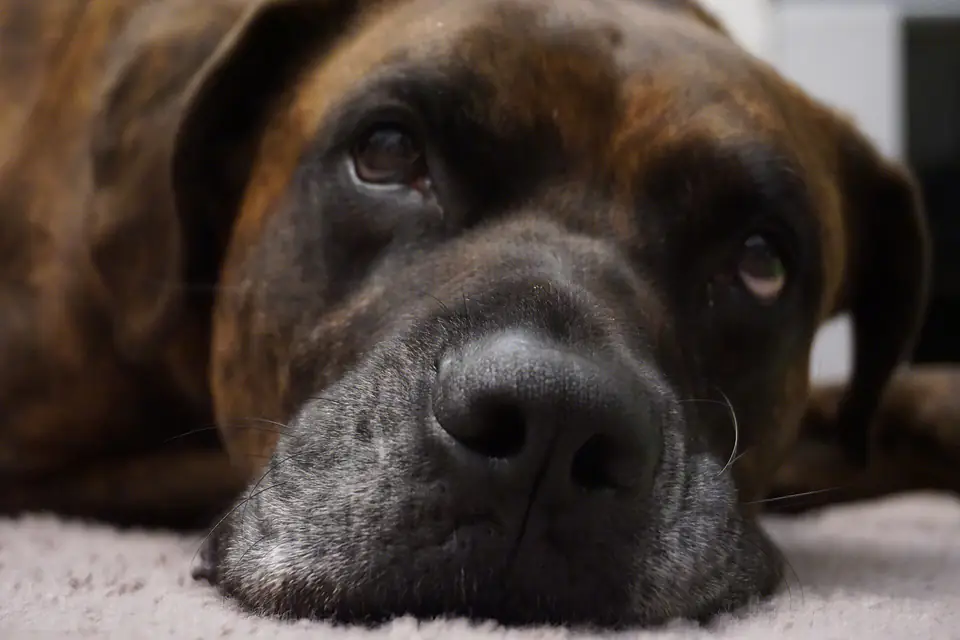
The Boxador crosses the Boxer with the Labrador Retriever, two of the most popular breeds in the United States, and is also called the Boxerlab or Laboxer. Nobody documented where the cross began. Daily Paws gives adults as 53 to 64 cm (21 to 25 in) and 22.7 to 36.3 kg (50 to 80 lb), with a lifespan of 10 to 12 years. Expect a muscular build, a squarish head and loose jowls that can mean drool, even with a longer Labrador muzzle, and a short coat in fawn, brown, black or brindle, often with a white chest patch and a black muzzle.
Daily Paws calls them high energy, and a Boxer rescue director quoted on the page compares them to toddlers who need constant engagement: long daily walks, fetch, games and company, rather than a garden to amuse themselves in. A weekly brush keeps the coat in order, with some seasonal shedding from the Labrador side, and tooth brushing from puppyhood helps because the Boxer side is prone to dental problems. Crate training early is a safety measure, since Boxadors left alone and bored are big chewers. The usual mistake is choosing one for their looks without the time to keep them busy, and they should not be left alone for hours.
A cross, not a breed. The Boxador is a cross rather than a standardised breed, and the AKC does not register mixed breeds, so size, looks and temperament vary with whichever parent they take after, and puppies from one litter can differ. Both parents carry inherited health risks, including heart disease, so Daily Paws advises getting the health records for the dog and choosing a breeder who is open about health screening and lets you meet the puppy where they were raised.
What to expect at eight weeks
At eight weeks a Boxador puppy is sleeping around 18 to 20 hours a day, is not house trained, and cannot hold on for more than an hour or two at a stretch. A large breed puppy at eight weeks looks deceptively normal sized and will roughly double every few weeks for a while. Keep exercise short and low impact, the growth plates are wide open. This is a high energy breed. At eight weeks that shows up as intensity rather than stamina, and they will need a job to do long before they need long walks. Grooming needs are moderate, so build the brushing habit now while the coat is still short and easy. The socialisation window is open and closing: everything they meet calmly now, from vacuum cleaners to men in hats, is easier for the rest of their life.
Health worth knowing about
Conditions this breed is reported to be predisposed to. Predisposed does not mean inevitable, it means ask about it.
- Elbow and hip dysplasia, from the Labrador Retriever side
- Inherited heart disease, including arrhythmogenic right ventricular cardiomyopathy and aortic stenosis from the Boxer side and heart disorders from the Labrador side
- Exercise-induced collapse, from the Labrador Retriever side
- Cancers, often of the brain, thyroid or spleen, which Boxers are predisposed to
- Degenerative myelopathy, which can cause hindquarter problems later in life
- Dental problems from the Boxer side, helped by tooth brushing from puppyhood
Your Boxador puppy's first six months
- Vaccination schedule, dated for your country.
- Worming and parasite schedule.
- Feeding calculator. Set expected adult size to Large for a Boxador.
- Adult size predictor, to check growth against the 22.7 to 36.3 kg adult range.
- Puppy names and the first week checklist.
Kit sizes: crate 42 inch (42 x 28 x 30 in, 107 x 71 x 76 cm) for an adult of up to 36.3 kg; chew toys made for large breeds. Worked out the same way as the crate size calculator. PetMD bases a crate on the dog's own measurements, not weight or breed alone, so measure once the puppy is home.
Buying guides for this
Other large breeds

Previous: Bouvier des Flandres · Next: Boxer
Not veterinary advice. Breed information is general. Your own dog, and your own vet, always win.
Sources
- dailypaws.com for adult weight and height, life expectancy, energy, grooming and the temperament ratings, coat type and health notes
- Health notes from Boxador breed information at https://www.dailypaws.com/dogs-puppies/dog-breeds/boxador. Discuss any of these with your own vet.
No published figure for the good with children rating, the good with other dogs rating and country of origin, so nothing is shown rather than a guess.
Photo: U+1F360, CC BY-SA 4.0, via Wikimedia Commons, cropped. All photographers are listed on the photo credits page.