Breeds / Medium
Schnoodle puppies
The Schnoodle is described as a smart, level headed and social companion that thrives on company and does well in families. They need daily walks and playtime, and can become destructive without them.
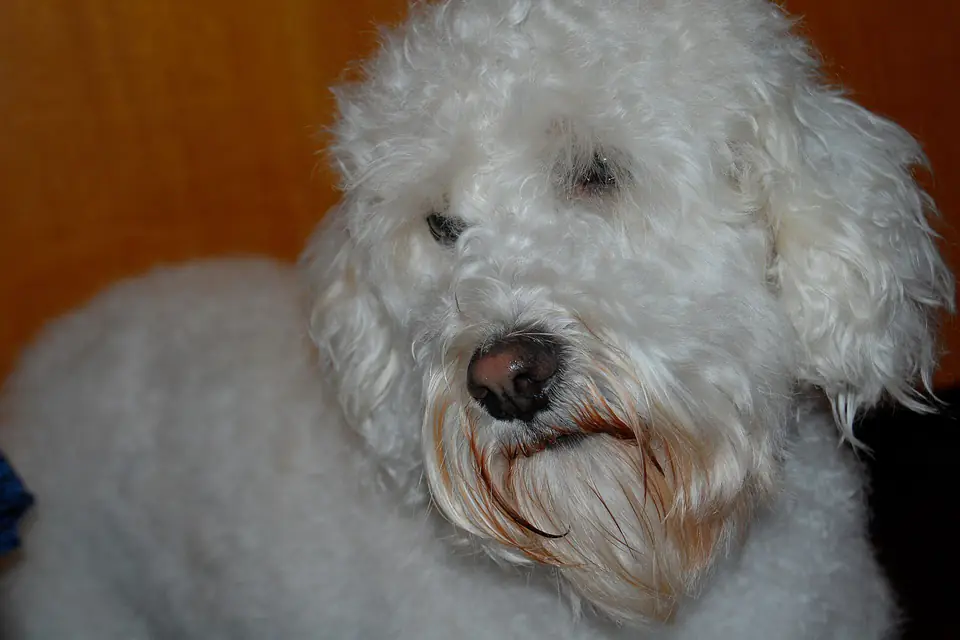
The facts
- Size class Medium
- A cross of Schnauzer and Poodle
- Country of origin United States
- Adult weight 9.1 to 27.2 kg
- Adult weight in pounds 20 to 60 lb
- Adult height 33 to 66 cm
- Energy level High
- Grooming High
- Coat type Medium wavy to curly
- Typical lifespan 10 to 16 years
- Good with children Usually good
- Good with other dogs Usually good
About the Schnoodle
The Schnoodle was first bred in the United States in the 1980s from Schnauzer and Poodle stock. Because all the size varieties of both breeds get used, adults range from 9.1 to 27.2 kg and 33 to 66 cm, which is a very wide spread for one name. The coat usually sits somewhere between wavy and curly. Temperament is level headed and social, with the Schnauzer's alertness showing up as a dog that notices visitors before anyone else does.
Daily walks and play are not optional, and a bored Schnoodle chews. Professional grooming every four to six weeks plus brushing at home several times a week keeps the coat sound, and the beard wants wiping after meals. New owners often underestimate the watchdog streak and end up with a barker at the window. Teach a settle, reward quiet from the first week, and give the dog something better to do than guard the street.
A cross, not a breed. The Schnoodle is a cross rather than a standardised breed, so size, coat and temperament vary and can favour either parent, and a first cross of two purebred parents is less predictable in coat than a later generation bred back to a Poodle. The size spread is unusually large because all three Schnauzer and Poodle varieties are used: miniature Schnoodles can be as light as 4.5 kg and giants reach about 36 kg.
What to expect at eight weeks
At eight weeks a Schnoodle puppy is sleeping around 18 to 20 hours a day, is not house trained, and cannot hold on for more than an hour or two at a stretch. A medium breed puppy at eight weeks is a manageable armful that will not stay that way. Most of the growth happens between now and six months, so buy for the adult dog where you can. This is a high energy breed. At eight weeks that shows up as intensity rather than stamina, and they will need a job to do long before they need long walks. Grooming needs are high. Start daily brushing and short, positive handling sessions at eight weeks, well before the adult coat arrives, or the first professional groom will be traumatic. The socialisation window is open and closing: everything they meet calmly now, from vacuum cleaners to men in hats, is easier for the rest of their life.
Health worth knowing about
Conditions this breed is reported to be predisposed to. Predisposed does not mean inevitable, it means ask about it.
- Hip and elbow dysplasia, screened by hip and elbow scoring radiographs
- Hyperlipidaemia and pancreatitis from the Schnauzer side, diagnosed on blood tests
- Progressive retinal atrophy and cataracts, detectable by DNA test and eye examination
- Idiopathic epilepsy, diagnosed from witnessed seizures with other causes excluded
- Diabetes mellitus, which is more common in the miniature type, diagnosed by blood glucose testing and urinalysis
- Gastric dilatation volvulus in the giant type, an emergency recognised by retching and a distended abdomen
Your Schnoodle puppy's first six months
- Vaccination schedule, dated for your country.
- Worming and parasite schedule.
- Feeding calculator. Set expected adult size to Medium for a Schnoodle.
- Adult size predictor, to check growth against the 9.1 to 27.2 kg adult range.
- Puppy names and the first week checklist.
Kit sizes: crate 36 inch (36 x 24 x 26 in, 91 x 61 x 66 cm) for an adult of up to 27.2 kg; chew toys made for medium breeds. Worked out the same way as the crate size calculator. PetMD bases a crate on the dog's own measurements, not weight or breed alone, so measure once the puppy is home.
Buying guides for this
Other medium breeds
 American Cocker Spaniel
 American Pit Bull Terrier
 American Staffordshire Terrier
 American Water Spaniel
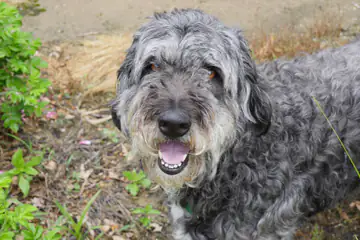 Aussiedoodle
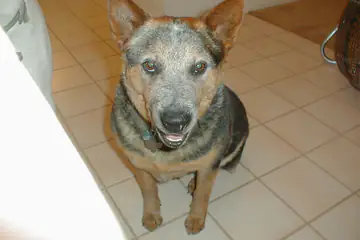 Australian Cattle Dog
More on the Schnoodle
Previous: Schipperke · Next: Scottish Deerhound
Not veterinary advice. Breed information is general. Your own dog, and your own vet, always win.
Sources
- petmd.com for adult weight and height, life expectancy, energy, grooming and the temperament ratings, coat type and health notes
- purina.co.uk for country of origin
- Health notes from Schnoodle breed information at https://www.petmd.com/dog/breeds/schnoodle. Discuss any of these with your own vet.
Photo: Sullivan Carter, CC BY-SA 3.0, via Wikimedia Commons, cropped. All photographers are listed on the photo credits page.