Breeds / Toy
Pomchi puppies
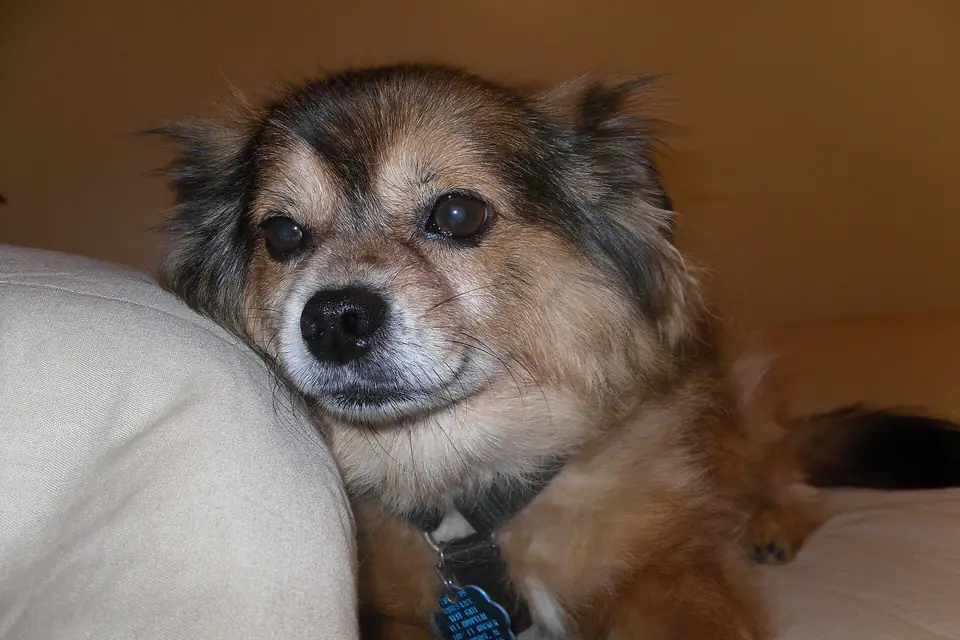
The Pomchi is a spirited toy dog that is devoted to their family and can be wary of strangers, often announcing them with barking. They are smart and energetic for their size and need daily play and training.
The facts
- Size class Toy
- A cross of Pomeranian and Chihuahua
- Country of origin Not published
- Adult weight Up to 3.2 kg
- Adult weight in pounds Up to 7 lb
- Adult height Up to 20 cm
- Energy level High
- Grooming Moderate
- Coat type Not published
- Typical lifespan 12 to 16 years
- Good with children Not published
- Good with other dogs Not published
About the Pomchi
The Pomchi crosses the Pomeranian with the Chihuahua. This is a recent mix and is not recognised by the AKC, although both parents have been registered there for more than a century. PetMD puts a grown Pomchi at no more than 3.2 kg and 20 cm, and expects them to live within the parents' ranges of 12 to 16 years for the Pomeranian and 14 to 15 for the Chihuahua. Brushing several times a week stops tangles and mats, and a groomer helps.
Being tiny is the main care issue. Pomchis squeeze through small gaps, can be taken by birds of prey outdoors, get hurt by very young children or larger pets who treat them like toys, and injure joints jumping off furniture. Exercise can happen indoors through games and training plus short walks. Brush the teeth daily, because toy breeds are especially prone to gum disease. Train a Pomchi instead of carrying them everywhere, because without socialisation they tend towards separation anxiety and barking.
A cross, not a breed. The Pomchi is a cross rather than a standardised breed, so size, coat and temperament vary and can favour either parent, and puppies from one litter can differ. PetMD advises against buying a teacup Pomchi, because breeding for the smallest possible dog often comes at the expense of health.
What to expect at eight weeks
At eight weeks a Pomchi puppy is sleeping around 18 to 20 hours a day, is not house trained, and cannot hold on for more than an hour or two at a stretch. A toy breed puppy at eight weeks is small enough to be genuinely fragile. They can be hurt by a jump off a sofa and by being stepped on, and toy breeds are prone to low blood sugar, so they need frequent small meals rather than two big ones. This is a high energy breed. At eight weeks that shows up as intensity rather than stamina, and they will need a job to do long before they need long walks. Grooming needs are moderate, so build the brushing habit now while the coat is still short and easy. The socialisation window is open and closing: everything they meet calmly now, from vacuum cleaners to men in hats, is easier for the rest of their life.
Health worth knowing about
Conditions this breed is reported to be predisposed to. Predisposed does not mean inevitable, it means ask about it.
- Periodontal disease, which toy breeds are especially prone to, prevented by daily tooth brushing and treated by professional cleaning or extractions
- Patellar luxation, which shows as limping or a bunny hopping gait and is graded on orthopaedic examination
- Tracheal collapse, suspected from a recurring goose honk cough that worsens with excitement, heat or exercise
- Patent ductus arteriosus, a congenital heart defect usually picked up as a murmur in a puppy and treated surgically
Your Pomchi puppy's first six months
- Vaccination schedule, dated for your country.
- Worming and parasite schedule.
- Feeding calculator. Set expected adult size to Toy for a Pomchi.
- Adult size predictor, to check growth against the Up to 3.2 kg adult range.
- Puppy names and the first week checklist.
Kit sizes: crate 22 inch (22 x 14 x 16 in, 56 x 36 x 41 cm) for an adult of up to 3.2 kg; chew toys made for small breeds. Worked out the same way as the crate size calculator. PetMD bases a crate on the dog's own measurements, not weight or breed alone, so measure once the puppy is home.
Buying guides for this
Other toy breeds


More on the Pomchi
Previous: Pomapoo · Next: Pomeranian
Not veterinary advice. Breed information is general. Your own dog, and your own vet, always win.
Sources
- petmd.com for adult weight and height, life expectancy, energy, grooming and the temperament ratings, coat type and health notes
- Health notes from Pomchi breed information at https://www.petmd.com/dog/breeds/pomchi. Discuss any of these with your own vet.
No published figure for coat type, the good with children rating, the good with other dogs rating and country of origin, so nothing is shown rather than a guess.
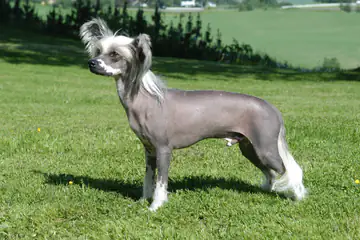
Photo: Jhenderson777 19:08, 27 August 2010 (UTC), Public domain, via Wikimedia Commons, cropped. All photographers are listed on the photo credits page.