Breeds / Medium
Polish Hunting Dog puppies
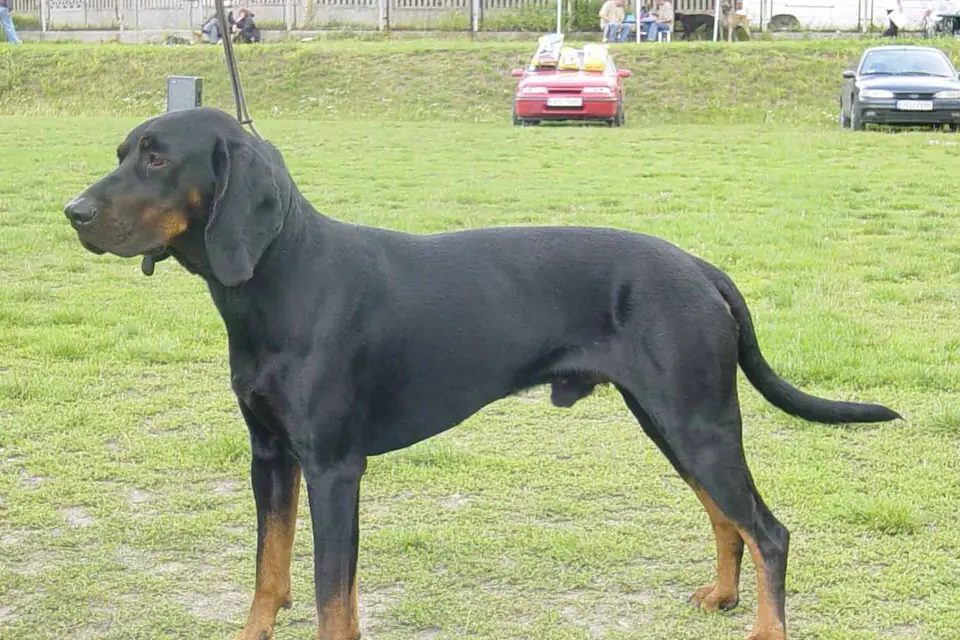
Stable, gentle and genuinely courageous, intelligent and easy to teach. Not aggressive but watchful with strangers, and they give tongue on a scent with a distinctive ringing note.
The facts
- Size class Medium
- Country of origin Poland
- Adult weight Not published
- Adult weight in pounds Not published
- Adult height 50 to 59 cm
- Energy level High
- Grooming Low
- Coat type Short double
- Typical lifespan Not published
- Good with children Usually good
- Good with other dogs Fine with supervision
About the Polish Hunting Dog
The Polish Hunting Dog, or Gonczy Polski, is a black and tan scent hound from the forests and mountains of southern Poland, worked on boar and deer and sometimes on fox and hare. Poland has hunted with scent hounds since at least the thirteenth century, and by the seventeenth two types had separated: a heavy brach and this lighter, faster hound. Males stand 55 to 59 centimetres and females 50 to 55. The Kennel Club lists them as an imported breed in the Hound group.
The coat is harsh and close with a full undercoat, so a weekly brush covers it, more often when it drops in spring. The Kennel Club puts exercise at more than two hours a day and recommends a large house and garden. The breed is level headed, quick to learn and doubles as a watchful guard, but they give voice on a line with a carrying melody. That voice, and the stamina behind it, is what unprepared owners struggle with most.
What to expect at eight weeks
At eight weeks a Polish Hunting Dog puppy is sleeping around 18 to 20 hours a day, is not house trained, and cannot hold on for more than an hour or two at a stretch. A medium breed puppy at eight weeks is a manageable armful that will not stay that way. Most of the growth happens between now and six months, so buy for the adult dog where you can. This is a high energy breed. At eight weeks that shows up as intensity rather than stamina, and they will need a job to do long before they need long walks. Grooming is straightforward, but start handling the coat, feet and ears in week one anyway so it is never a fight later. The socialisation window is open and closing: everything they meet calmly now, from vacuum cleaners to men in hats, is easier for the rest of their life.
Health worth knowing about
Conditions this breed is reported to be predisposed to. Predisposed does not mean inevitable, it means ask about it.
- Ear infections under drop leathers on a dog that works in undergrowth, found by checking the ear canal after every outing
- Hip dysplasia, which breeding stock can be x-rayed and scored for before mating
- Cuts, thorn injuries and tick burden from working dense forest cover, found by going over the dog by hand after work
- A very small United Kingdom population, which the Kennel Club asks breeders to handle by prioritising genetic diversity, since no breed specific DNA panel is offered
Your Polish Hunting Dog puppy's first six months
- Vaccination schedule, dated for your country.
- Worming and parasite schedule.
- Feeding calculator. Set expected adult size to Medium for a Polish Hunting Dog.
- Adult size predictor, to check growth against the Not published adult range.
- Puppy names and the first week checklist.
Kit sizes: chew toys made for medium breeds. Worked out the same way as the crate size calculator. PetMD bases a crate on the dog's own measurements, not weight or breed alone, so measure once the puppy is home.
Buying guides for this
Other medium breeds
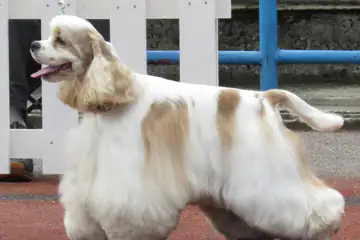 American Cocker Spaniel
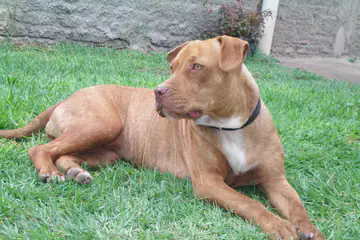 American Pit Bull Terrier
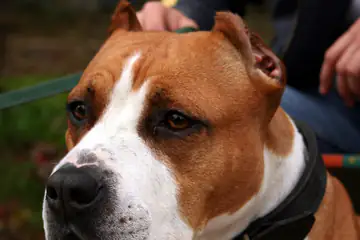 American Staffordshire Terrier
 American Water Spaniel
 Aussiedoodle
 Australian Cattle Dog
Previous: Pointer · Next: Polish Lowland Sheepdog
Not veterinary advice. Breed information is general. Your own dog, and your own vet, always win.
Sources
- fci.be for adult weight and height, energy, grooming and the temperament ratings and coat type
- fci.be for life expectancy and country of origin
- royalkennelclub.com for health notes
- Health notes from Polish Hunting Dog breed information at https://www.royalkennelclub.com/search/breeds-a-to-z/breeds/hound/polish-hunting-dog-imp/. Discuss any of these with your own vet.
No published figure for adult weight and life expectancy, so nothing is shown rather than a guess.
Photo: Grzegorz Weron, CC BY 2.5, via Wikimedia Commons, cropped. All photographers are listed on the photo credits page.