Breeds / Large
Otterhound puppies
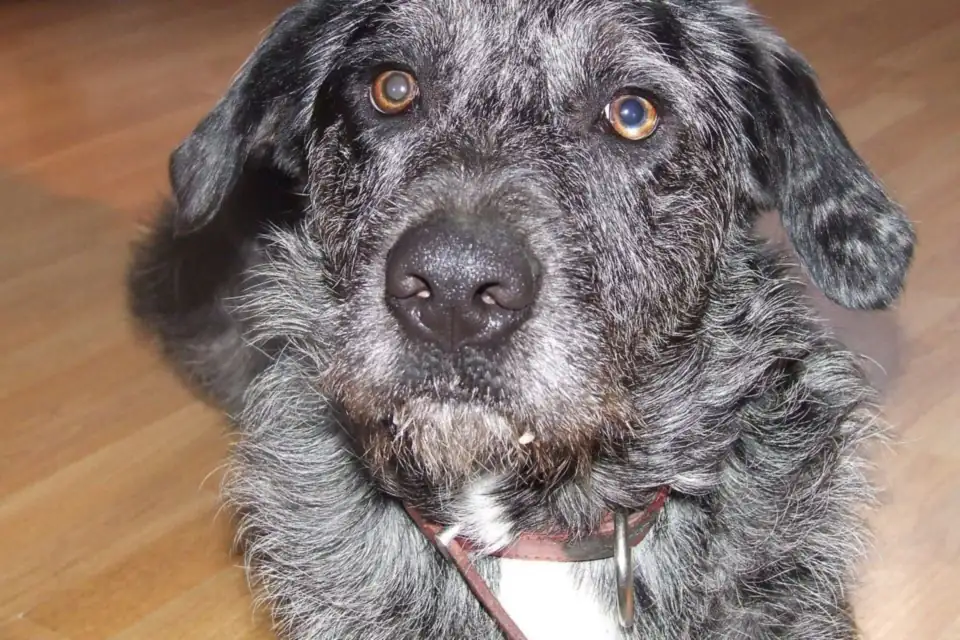
Amiable, boisterous and deeply independent, a large rough coated pack hound with an exceptional nose and a very loud voice.
The facts
- Size class Large
- Country of origin Great Britain
- Adult weight 36.3 to 52.2 kg
- Adult weight in pounds 80 to 115 lb
- Adult height 61 to 69 cm
- Energy level Moderate
- Grooming Moderate
- Coat type Medium double and rough
- Shedding Low
- Typical lifespan 10 to 13 years
- Good with children Fine with supervision
- Good with other dogs Fine with supervision
About the Otterhound
The Otterhound was bred in Britain to hunt otter in cold rivers, working in packs with a rough oily double coat, webbed feet and one of the best noses of any breed. This is a large, loosely built hound of 61 to 69 cm and 36.3 to 52.2 kg, with a heavy beard and a deep resonant voice. They are affable and boisterous, amiable with people and with other dogs, and thoroughly independent, since a hound working a scent line is not waiting for instructions.
Exercise means long walks with time to sniff, plus tracking or obedience work for the mind, since many will simply lie under a tree rather than exercise themselves in a large garden. Brush once or twice a week and wash the beard, which collects water, mud and food. The voice is enormous and carries a long way. Ratings with children and other pets are moderate, so supervise and socialise. New owners underestimate the independence, and off lead recall is unreliable once a scent takes over.
What to expect at eight weeks
At eight weeks a Otterhound puppy is sleeping around 18 to 20 hours a day, is not house trained, and cannot hold on for more than an hour or two at a stretch. A large breed puppy at eight weeks looks deceptively normal sized and will roughly double every few weeks for a while. Keep exercise short and low impact, the growth plates are wide open. Expect moderate energy, in short bursts separated by long naps. Grooming needs are moderate, so build the brushing habit now while the coat is still short and easy. The socialisation window is open and closing: everything they meet calmly now, from vacuum cleaners to men in hats, is easier for the rest of their life.
Health worth knowing about
Conditions this breed is reported to be predisposed to. Predisposed does not mean inevitable, it means ask about it.
- Hip dysplasia, which breeding stock should be x-rayed and scored for
- Glanzmann's thrombasthenia, a bleeding disorder detectable by DNA test
- Epilepsy, diagnosed clinically once other causes have been ruled out
- Gastric dilatation volvulus, a surgical emergency in deep chested dogs
- Loss of genetic diversity, since the world population is very small, managed by checking the inbreeding coefficient before mating
Your Otterhound puppy's first six months
- Vaccination schedule, dated for your country.
- Worming and parasite schedule.
- Feeding calculator. Set expected adult size to Large for a Otterhound.
- Adult size predictor, to check growth against the 36.3 to 52.2 kg adult range.
- Puppy names and the first week checklist.
Kit sizes: crate 48 inch (48 x 30 x 32 in, 122 x 76 x 81 cm) for an adult of up to 52.2 kg, the largest size in the chart, which tops out at 49.9 kg, so measure the dog before you buy; chew toys made for large breeds. Worked out the same way as the crate size calculator. PetMD bases a crate on the dog's own measurements, not weight or breed alone, so measure once the puppy is home.
Buying guides for this
Other large breeds
Previous: Old English Sheepdog · Next: Papillon
Not veterinary advice. Breed information is general. Your own dog, and your own vet, always win.
Sources
- akc.org for adult weight and height, life expectancy, energy, grooming, shedding and the temperament ratings, coat type and health notes
- fci.be for country of origin
- Health notes from Otterhound breed information at https://www.akc.org/dog-breeds/otterhound/. Discuss any of these with your own vet.
Photo: Dale D. McDonald, Public domain, via Wikimedia Commons, cropped. All photographers are listed on the photo credits page.