Breeds / Medium
Boxerdoodle puppies
The Boxerdoodle is bright, playful and eager to please, often a bit of a clown, though some are reserved with new people. They can be sensitive, so reward-based training suits them best.
The facts
- Size class Medium
- A cross of Boxer and Poodle
- Country of origin Not published
- Adult weight 5.4 to 31.8 kg
- Adult weight in pounds 12 to 70 lb
- Adult height 25 to 64 cm
- Energy level High
- Grooming High
- Coat type Short and sleek to curly
- Typical lifespan 10 to 12 years
- Good with children Not published
- Good with other dogs Not published
About the Boxerdoodle
The Boxerdoodle, also called the Boxerpoo, crosses the Boxer with the Poodle and has only been advertised widely in roughly the last ten years. Size depends on which Poodle was used: Daily Paws gives 25 to 64 cm (10 to 25 in) and 5.4 to 31.8 kg (12 to 70 lb), though most are medium to large because the Standard Poodle is the usual partner. The coat often sits between the Boxer's short, sleek hair and the Poodle's curls, sometimes looking like a Schnauzer's, and can be almost any colour, including brindle. Daily Paws gives a lifespan of 10 to 12 years.
These are not couch potatoes: a behaviour consultant quoted by Daily Paws recommends long walks, hikes, runs and play every day, and many enjoy swimming and retrieving. Brushing every day keeps tangles and shedding down, and a wavy or curly coat also needs regular trips to the groomer. Neither parent copes well with being left alone for long, so a home where someone is around most of the day suits them, and the bouncy Boxer streak can be a lot for small children or older people. The vet quoted on the page advises an examination and blood tests every year while young and every six months after the age of seven.
A cross, not a breed. The Boxerdoodle is a cross rather than a standardised breed, and a rare, recent one, so size, coat and temperament vary widely and puppies from one litter can differ. Ask which Poodle variety the parent is, since a Standard Poodle brings a risk of Addison's disease and bloat and a Toy Poodle adds to the Boxer's heart risk, and ask for the health records of both parents.
What to expect at eight weeks
At eight weeks a Boxerdoodle puppy is sleeping around 18 to 20 hours a day, is not house trained, and cannot hold on for more than an hour or two at a stretch. A medium breed puppy at eight weeks is a manageable armful that will not stay that way. Most of the growth happens between now and six months, so buy for the adult dog where you can. This is a high energy breed. At eight weeks that shows up as intensity rather than stamina, and they will need a job to do long before they need long walks. Grooming needs are high. Start daily brushing and short, positive handling sessions at eight weeks, well before the adult coat arrives, or the first professional groom will be traumatic. The socialisation window is open and closing: everything they meet calmly now, from vacuum cleaners to men in hats, is easier for the rest of their life.
Health worth knowing about
Conditions this breed is reported to be predisposed to. Predisposed does not mean inevitable, it means ask about it.
- Brachycephalic airway problems in dogs with a short Boxer muzzle, a risk a vet quoted by Daily Paws says a Standard Poodle parent can offset
- Addison's disease, a Standard Poodle risk with vague signs such as lethargy, vomiting and diarrhoea that needs several tests to diagnose
- Bloat (gastric dilatation-volvulus), a Standard Poodle risk that is life threatening without immediate treatment
- Dilated cardiomyopathy from the Boxer side, and heart disease more generally where the Poodle parent is a Toy Poodle
- Cancer, which Boxers are prone to
- Hip dysplasia and ligament injuries, more likely in larger Boxerdoodles
Your Boxerdoodle puppy's first six months
- Vaccination schedule, dated for your country.
- Worming and parasite schedule.
- Feeding calculator. Set expected adult size to Medium for a Boxerdoodle.
- Adult size predictor, to check growth against the 5.4 to 31.8 kg adult range.
- Puppy names and the first week checklist.
Kit sizes: crate 36 inch (36 x 24 x 26 in, 91 x 61 x 66 cm) for an adult of up to 31.8 kg; chew toys made for medium breeds. Worked out the same way as the crate size calculator. PetMD bases a crate on the dog's own measurements, not weight or breed alone, so measure once the puppy is home.
Buying guides for this
Other medium breeds
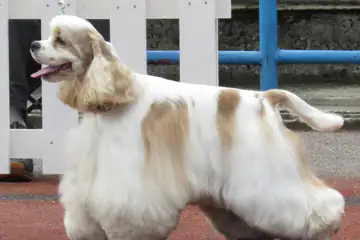 American Cocker Spaniel
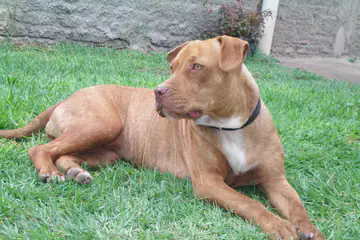 American Pit Bull Terrier
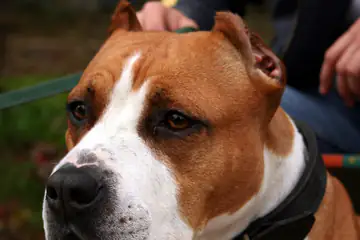 American Staffordshire Terrier
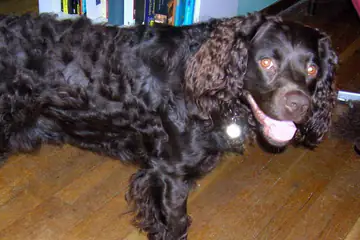 American Water Spaniel
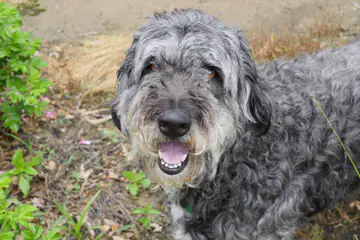 Aussiedoodle
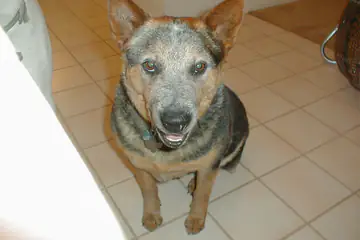 Australian Cattle Dog
Previous: Boxer · Next: Boykin Spaniel
Not veterinary advice. Breed information is general. Your own dog, and your own vet, always win.
Sources
- dailypaws.com for adult weight and height, life expectancy, energy, grooming and the temperament ratings, coat type and health notes
- Health notes from Boxerdoodle breed information at https://www.dailypaws.com/dogs-puppies/dog-breeds/boxerdoodle. Discuss any of these with your own vet.
No published figure for the good with children rating, the good with other dogs rating and country of origin, so nothing is shown rather than a guess.