Breeds / Small
Yorkipoo puppies
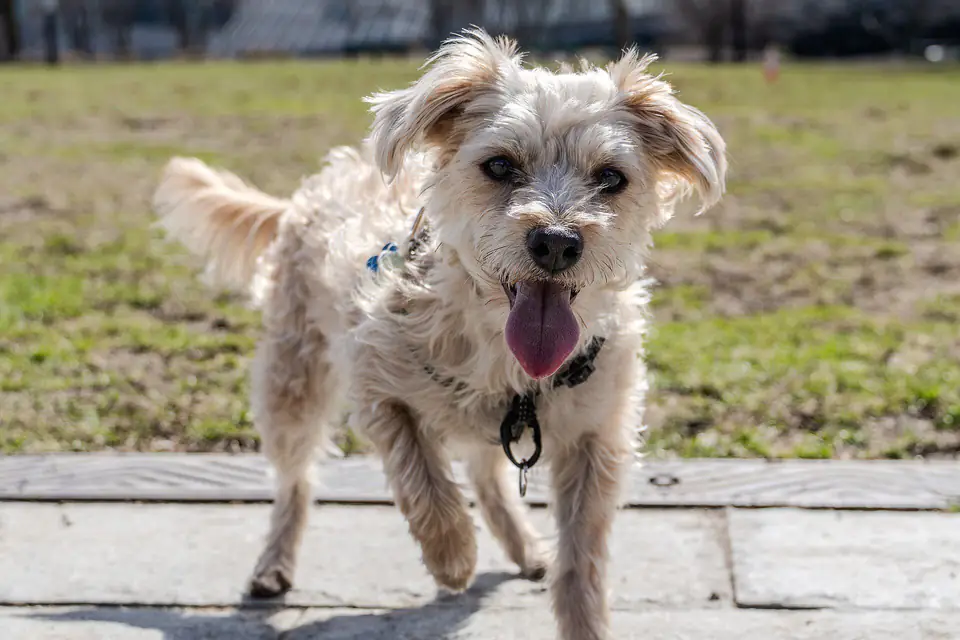
The Yorkipoo is playful, affectionate and vocal, with a large personality for their size. They need 30 to 60 minutes of activity a day, much of which can be indoor play, and they can be stubborn to train.
The facts
- Size class Small
- A cross of Yorkshire Terrier and Poodle
- Country of origin United States
- Adult weight 1.8 to 6.8 kg
- Adult weight in pounds 4 to 15 lb
- Adult height 18 to 38 cm
- Energy level Moderate
- Grooming High
- Coat type Long silky to curly
- Typical lifespan 10 to 15 years
- Good with children Fine with supervision
- Good with other dogs Fine with supervision
About the Yorkipoo
The Yorkipoo crosses the Yorkshire Terrier with a Toy or Miniature Poodle, and they were developed in the United States as designer crosses grew popular. Adults are very small, from 1.8 kg, standing anywhere between 18 and 38 cm depending on which Poodle was used. The coat is low shedding, waved or curled. The personality is the terrier's: playful, affectionate, opinionated and vocal, with a great deal of confidence packed into a tiny frame.
Thirty to sixty minutes of activity a day covers it, and much of that can happen indoors. Brushing needs to be daily, with a groomer every four to six weeks. Training takes patience, because the terrier streak makes for a stubborn student who negotiates. The two things owners regret ignoring are barking, which becomes a fixed habit quickly, and teeth, which crowd in a small jaw and need brushing from puppyhood onward.
A cross, not a breed. The Yorkipoo is a cross rather than a standardised breed, so size, coat and temperament vary and can favour either parent, and a first cross of two purebred parents is less predictable than a later generation bred back to a Poodle. The weight and height ranges are wide because both Toy and Miniature Poodles are used.
What to expect at eight weeks
At eight weeks a Yorkipoo puppy is sleeping around 18 to 20 hours a day, is not house trained, and cannot hold on for more than an hour or two at a stretch. A small breed puppy at eight weeks is light enough to carry everywhere, which is exactly how you get them socialised before the vaccination course finishes. They will still need four meals a day. Expect moderate energy, in short bursts separated by long naps. Grooming needs are high. Start daily brushing and short, positive handling sessions at eight weeks, well before the adult coat arrives, or the first professional groom will be traumatic. The socialisation window is open and closing: everything they meet calmly now, from vacuum cleaners to men in hats, is easier for the rest of their life.
Health worth knowing about
Conditions this breed is reported to be predisposed to. Predisposed does not mean inevitable, it means ask about it.
- Patellar luxation, suspected when the dog holds up a hind leg or bunny hops, and graded on orthopaedic examination
- Collapsing trachea, recognised by a dry honking cough and confirmed on radiographs or fluoroscopy
- Periodontal disease, found at annual veterinary dental examination
- Portosystemic liver shunt from the Yorkshire Terrier side, screened with a serum bile acids test
- Progressive retinal atrophy and cataracts, detectable by DNA test and annual eye examination
- Hypothyroidism, diagnosed on a thyroid function blood test
Your Yorkipoo puppy's first six months
- Vaccination schedule, dated for your country.
- Worming and parasite schedule.
- Feeding calculator. Set expected adult size to Small for a Yorkipoo.
- Adult size predictor, to check growth against the 1.8 to 6.8 kg adult range.
- Puppy names and the first week checklist.
Kit sizes: crate 24 inch (24 x 18 x 20 in, 61 x 46 x 51 cm) for an adult of up to 6.8 kg; chew toys made for small breeds. Worked out the same way as the crate size calculator. PetMD bases a crate on the dog's own measurements, not weight or breed alone, so measure once the puppy is home.
Buying guides for this
Other small breeds
More on the Yorkipoo
Previous: Yakutian Laika · Next: Yorkshire Terrier
Not veterinary advice. Breed information is general. Your own dog, and your own vet, always win.
Sources
- petmd.com for adult weight and height, life expectancy, energy, grooming and the temperament ratings and coat type
- purina.co.uk for country of origin
- petmd.com for health notes
- Health notes from Yorkipoo breed information at https://www.petmd.com/dog/breeds/yorkshire-terrier. Discuss any of these with your own vet.
Photo: Reagle, CC BY 4.0, via Wikimedia Commons, cropped. All photographers are listed on the photo credits page.