Breeds / Small
Welsh Terrier puppies
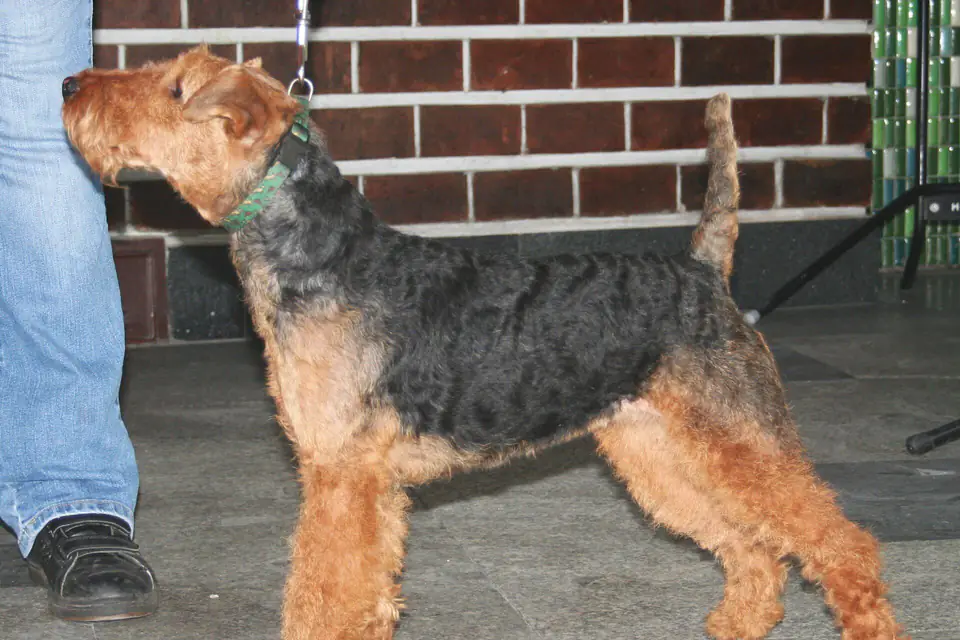
Game, cheerful and self confident, the Welsh Terrier is a black and tan working terrier with a harsh wiry coat, friendly with people and slow to back down with other dogs.
The facts
- Size class Small
- Country of origin Great Britain
- Adult weight 9.1 kg
- Adult weight in pounds 20 lb
- Adult height 38 cm
- Energy level High
- Grooming Moderate
- Coat type Medium wiry and double
- Shedding Low
- Typical lifespan 12 to 15 years
- Good with children Reliably good
- Good with other dogs Fine with supervision
About the Welsh Terrier
The Welsh Terrier is an old black and tan working terrier from Wales, bred to go to ground after fox, otter and badger alongside a pack of hounds. They look like a smaller, tidier Airedale: a squarely built terrier with a harsh wiry jacket over a soft undercoat, a long head and a confident carriage. The temperament is game and cheerful, less quarrelsome than some terriers but still keen to dig, chase and answer back, and they stay playful well into middle age.
Energy is high, and they enjoy ball games, flying disc work and a long walk in an enclosed area every day. The wiry coat is either hand stripped, which keeps its colour and texture, or clipped every eight to twelve weeks, and either way it wants brushing once or twice a week. They rate well with children and only middling with other pets, and small animals will be chased. New owners often clip a coat that should be stripped, then wonder why the jacket has gone soft and pale.
What to expect at eight weeks
At eight weeks a Welsh Terrier puppy is sleeping around 18 to 20 hours a day, is not house trained, and cannot hold on for more than an hour or two at a stretch. A small breed puppy at eight weeks is light enough to carry everywhere, which is exactly how you get them socialised before the vaccination course finishes. They will still need four meals a day. This is a high energy breed. At eight weeks that shows up as intensity rather than stamina, and they will need a job to do long before they need long walks. Grooming needs are moderate, so build the brushing habit now while the coat is still short and easy. The socialisation window is open and closing: everything they meet calmly now, from vacuum cleaners to men in hats, is easier for the rest of their life.
Health worth knowing about
Conditions this breed is reported to be predisposed to. Predisposed does not mean inevitable, it means ask about it.
- Atopic skin allergies, diagnosed by veterinary examination and allergy testing
- Hip dysplasia, screened by hip evaluation of breeding stock
- Legg Calve Perthes disease, a degeneration of the hip joint head in young dogs, confirmed by x-ray
- Primary lens luxation and glaucoma, picked up by an ophthalmologist evaluation
Your Welsh Terrier puppy's first six months
- Vaccination schedule, dated for your country.
- Worming and parasite schedule.
- Feeding calculator. Set expected adult size to Small for a Welsh Terrier.
- Adult size predictor, to check growth against the 9.1 kg adult range.
- Puppy names and the first week checklist.
Kit sizes: crate 24 inch (24 x 18 x 20 in, 61 x 46 x 51 cm) for an adult of up to 9.1 kg; chew toys made for small breeds. Worked out the same way as the crate size calculator. PetMD bases a crate on the dog's own measurements, not weight or breed alone, so measure once the puppy is home.
Buying guides for this
Other small breeds


More on the Welsh Terrier
Previous: Welsh Springer Spaniel · Next: West Highland White Terrier
Not veterinary advice. Breed information is general. Your own dog, and your own vet, always win.
Sources
- akc.org for adult weight and height, life expectancy, energy, grooming, shedding and the temperament ratings, coat type and health notes
- fci.be for country of origin
- Health notes from Welsh Terrier breed information at https://www.akc.org/dog-breeds/welsh-terrier/. Discuss any of these with your own vet.
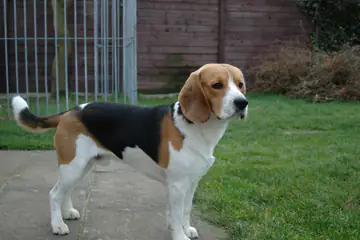
Photo: Pleple2000, CC BY-SA 4.0, via Wikimedia Commons, cropped. All photographers are listed on the photo credits page.