Breeds / Medium
Small Munsterlander puppies
Friendly, keen and highly trainable, the Small Munsterlander is a versatile German gundog that points, tracks and retrieves, and needs daily work to stay settled indoors.
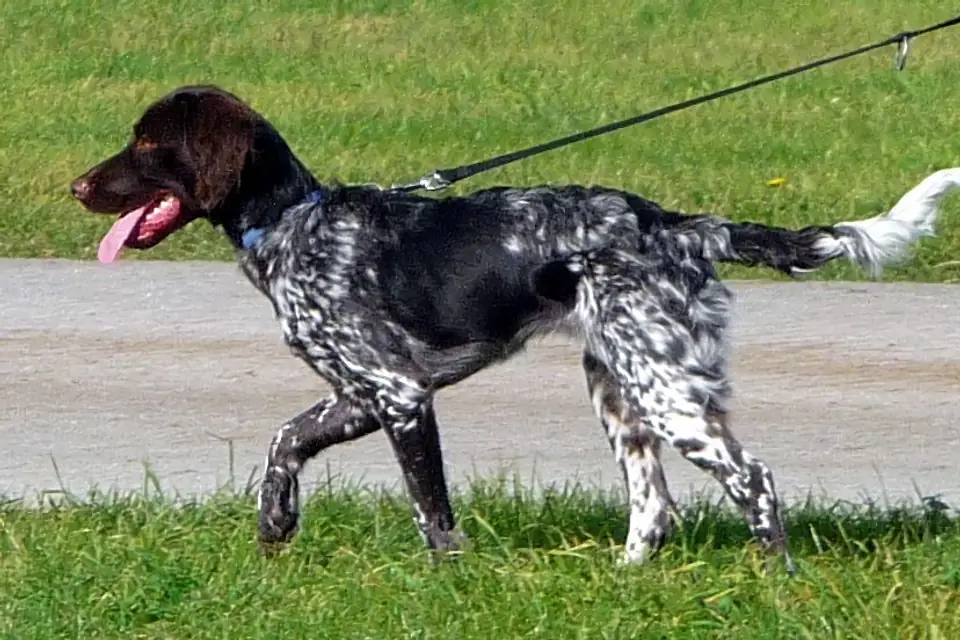
The facts
- Size class Medium
- Country of origin Germany
- Adult weight 18.1 to 27.2 kg
- Adult weight in pounds 40 to 60 lb
- Adult height 52 to 53 cm
- Energy level High
- Grooming Low
- Coat type Medium double
- Shedding Moderate
- Typical lifespan 12 to 14 years
- Good with children Usually good
- Good with other dogs Fine with supervision
About the Small Munsterlander
The Small Munsterlander comes from the Munster region of Germany, where they were developed as an all round hunting dog that could point game, track a wounded animal and retrieve from land or water. They stand 52 to 53 cm and weigh 18.1 to 27.2 kg, with a brown and white coat of medium length, feathering on the legs and tail, and a notably soft expression. In the house they are friendly and settled; in the field they are focused and hard to tire.
Owning one means committing to daily exercise that involves the brain. Long runs, water work and scent games all fit, and a walk round the block does not. The coat needs an occasional brush, with more attention in late spring and early autumn when they shed. Training is straightforward given how willing the breed is. Rated four out of five with children by the AKC, they make a sociable family dog with supervision and proper socialisation. Keep an eye on them outdoors, because left loose and unsupervised they will go hunting on their own account.
What to expect at eight weeks
At eight weeks a Small Munsterlander puppy is sleeping around 18 to 20 hours a day, is not house trained, and cannot hold on for more than an hour or two at a stretch. A medium breed puppy at eight weeks is a manageable armful that will not stay that way. Most of the growth happens between now and six months, so buy for the adult dog where you can. This is a high energy breed. At eight weeks that shows up as intensity rather than stamina, and they will need a job to do long before they need long walks. Grooming is straightforward, but start handling the coat, feet and ears in week one anyway so it is never a fight later. The socialisation window is open and closing: everything they meet calmly now, from vacuum cleaners to men in hats, is easier for the rest of their life.
Health worth knowing about
Conditions this breed is reported to be predisposed to. Predisposed does not mean inevitable, it means ask about it.
- Hip dysplasia, which breeding stock should be x-rayed and scored for
- Ear infections in the drop ears, caught by weekly checks and cleaning
- Inherited eye disease, screened by an annual ophthalmologist examination
Your Small Munsterlander puppy's first six months
- Vaccination schedule, dated for your country.
- Worming and parasite schedule.
- Feeding calculator. Set expected adult size to Medium for a Small Munsterlander.
- Adult size predictor, to check growth against the 18.1 to 27.2 kg adult range.
- Puppy names and the first week checklist.
Kit sizes: crate 36 inch (36 x 24 x 26 in, 91 x 61 x 66 cm) for an adult of up to 27.2 kg; chew toys made for medium breeds. Worked out the same way as the crate size calculator. PetMD bases a crate on the dog's own measurements, not weight or breed alone, so measure once the puppy is home.
Buying guides for this
Other medium breeds
 American Cocker Spaniel
 American Pit Bull Terrier
 American Staffordshire Terrier
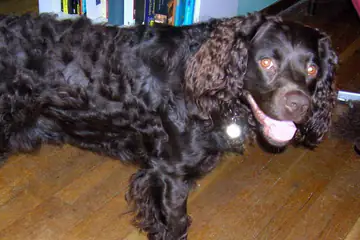 American Water Spaniel
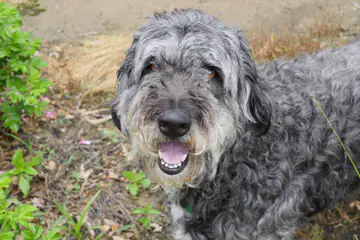 Aussiedoodle
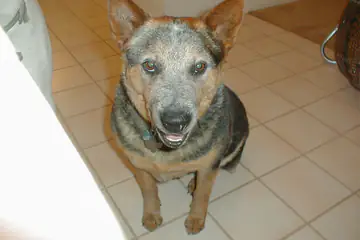 Australian Cattle Dog
Previous: Slovensky Kopov · Next: Smooth Collie
Not veterinary advice. Breed information is general. Your own dog, and your own vet, always win.
Sources
- akc.org for adult weight and height, life expectancy, energy, grooming, shedding and the temperament ratings, coat type, country of origin and health notes
- Health notes from Small Munsterlander breed information at https://www.akc.org/dog-breeds/small-munsterlander/. Discuss any of these with your own vet.
Photo: 4028mdk09, CC BY-SA 3.0, via Wikimedia Commons, cropped. All photographers are listed on the photo credits page.