Breeds / Medium
Lurcher puppies
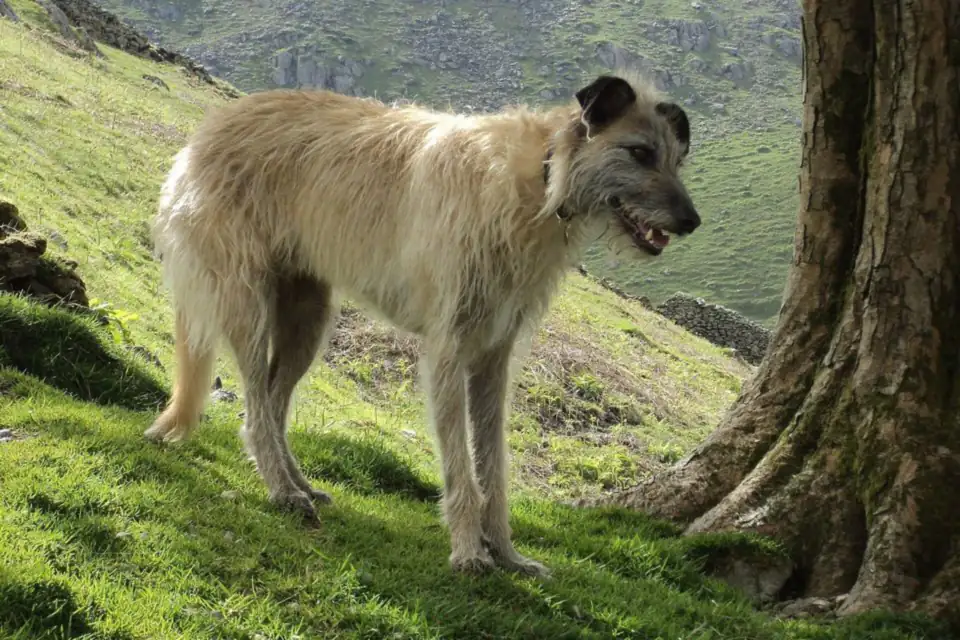
The Lurcher is a sighthound cross, usually intelligent and trainable, with a strong chase instinct. Temperament varies widely because the dogs behind each Lurcher vary, and Purina UK rates them low for living with other pets.
The facts
- Size class Medium
- A cross of Greyhound or another sighthound and Pastoral or terrier breeds
- Country of origin Not published
- Adult weight 12 to 30 kg
- Adult weight in pounds 26 to 66 lb
- Adult height Not published
- Energy level Moderate
- Grooming Moderate
- Coat type Smooth, broken, wire or long
- Typical lifespan 13 to 15 years
- Good with children Fine with supervision
- Good with other dogs Not recommended
About the Lurcher
The Lurcher is a type rather than a breed: a sighthound such as a Greyhound crossed with a pastoral or terrier breed, and more often a mix of several breeds than a simple first cross. Purina UK dates the type to around the fourteenth century, when owning a sighthound was restricted to the landed classes and a poacher's dog needed a sighthound's speed disguised under a working dog's coat. Adults weigh 12 to 30 kg and live 13 to 15 years. Coats come in any colour and any type: smooth, broken, wire or long.
Expect one to two hours of exercise a day for an adult, with a chance to run free in a secure space several times a week. Recall, prey drive and food stealing are the problems owners raise most, so train a solid recall early, never rely on it near livestock or wildlife, and fence the garden well, because Lurchers jump, climb and dig. Smooth coats need a weekly brush, and wire and long coats more. Try not to treat a Lurcher like a sprinting Greyhound that sleeps all day: once collie, Saluki or terrier is in the mix, they need far more.
A cross, not a breed. The Lurcher is a type rather than a standardised breed, so size, coat and temperament vary with whatever breeds are behind each dog, and puppies from one litter can differ a great deal. Ask what the parents and grandparents were, because a collie or terrier cross needs far more exercise than a Greyhound heavy one.
What to expect at eight weeks
At eight weeks a Lurcher puppy is sleeping around 18 to 20 hours a day, is not house trained, and cannot hold on for more than an hour or two at a stretch. A medium breed puppy at eight weeks is a manageable armful that will not stay that way. Most of the growth happens between now and six months, so buy for the adult dog where you can. Expect moderate energy, in short bursts separated by long naps. Grooming needs are moderate, so build the brushing habit now while the coat is still short and easy. The socialisation window is open and closing: everything they meet calmly now, from vacuum cleaners to men in hats, is easier for the rest of their life.
Health worth knowing about
Conditions this breed is reported to be predisposed to. Predisposed does not mean inevitable, it means ask about it.
- Gastric dilatation and volvulus (bloat), a risk in deep chested sighthounds, which needs emergency treatment
- Sensitivity to some anaesthetic drugs in Greyhounds, which can mean a longer recovery after sedation, so tell your vet about the sighthound side
- Delayed bleeding after surgery, seen in Greyhounds 36 to 72 hours after an operation, which your vet will watch for
Your Lurcher puppy's first six months
- Vaccination schedule, dated for your country.
- Worming and parasite schedule.
- Feeding calculator. Set expected adult size to Medium for a Lurcher.
- Adult size predictor, to check growth against the 12 to 30 kg adult range.
- Puppy names and the first week checklist.
Kit sizes: crate 36 inch (36 x 24 x 26 in, 91 x 61 x 66 cm) for an adult of up to 30 kg; chew toys made for medium breeds. Worked out the same way as the crate size calculator. PetMD bases a crate on the dog's own measurements, not weight or breed alone, so measure once the puppy is home.
Buying guides for this
Other medium breeds
 American Cocker Spaniel
 American Pit Bull Terrier
 American Staffordshire Terrier
 American Water Spaniel
 Aussiedoodle
 Australian Cattle Dog
Previous: Lucas Terrier · Next: Malshi
Not veterinary advice. Breed information is general. Your own dog, and your own vet, always win.
Sources
- purina.co.uk for adult weight and height, life expectancy, energy, grooming and the temperament ratings and coat type
- petmd.com for health notes
- Health notes from Lurcher breed information at https://www.petmd.com/dog/breeds/greyhound. Discuss any of these with your own vet.
No published figure for adult height and country of origin, so nothing is shown rather than a guess.
Photo: Sykes108, CC BY-SA 4.0, via Wikimedia Commons, cropped. All photographers are listed on the photo credits page.