Breeds / Medium
Kai Ken puppies
Watchful, agile and devoted to their own family, reserved with strangers. A Japanese mountain hunting spitz that needs a job and a secure fence.
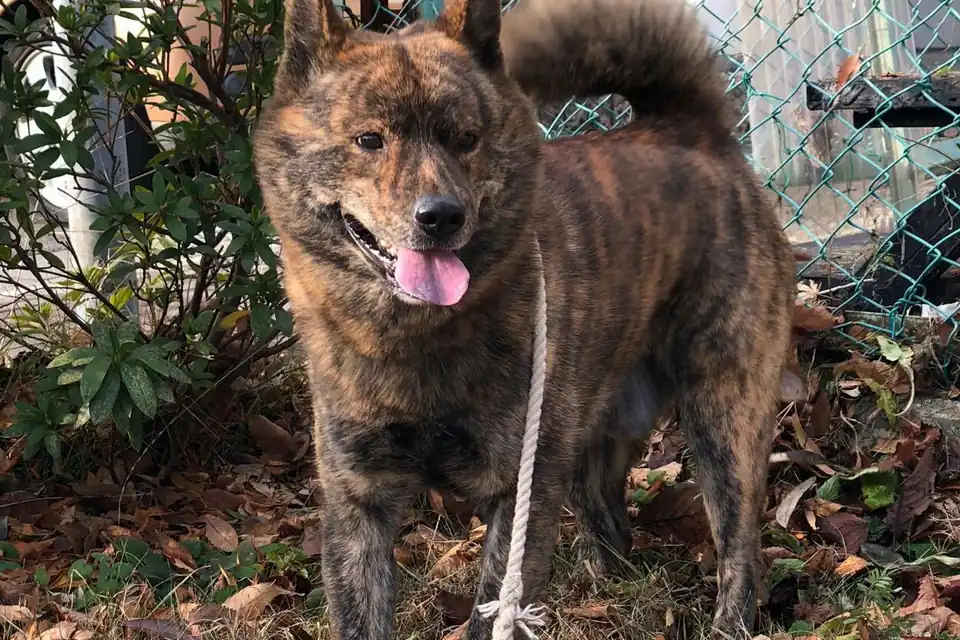
The facts
- Size class Medium
- Country of origin Japan
- Adult weight 11.3 to 18.1 kg
- Adult weight in pounds 25 to 40 lb
- Adult height 39 to 50 cm
- Energy level Moderate
- Grooming Low
- Coat type Medium double
- Shedding Moderate
- Typical lifespan 12 to 15 years
- Good with children Fine with supervision
- Good with other dogs Fine with supervision
About the Kai Ken
The Kai Ken comes from the mountainous former Kai province in Japan, where they were used on boar and deer in country steep enough that the dogs learned to climb and swim after game. This is a medium spitz of 11.3 to 18.1 kg and 39 to 50 cm with a harsh medium double coat, always brindle, which usually darkens with age. Kai are watchful and deeply attached to their own family, reserved with strangers, and generally more willing to work alongside other dogs than most Japanese breeds.
They need a walk or two every day plus something to work out: hide and seek, trick training and scent games all count. Left under-exercised, a Kai finds their own job indoors and the furniture pays for it. Grooming is light except for the twice yearly undercoat drop, when bathing and brushing speed things along. Prey drive means solid fencing and a lead in public. Ratings with children and other pets are middling, so supervise and socialise from the start. This is an athletic hunting dog, so do not expect a quiet house dog.
What to expect at eight weeks
At eight weeks a Kai Ken puppy is sleeping around 18 to 20 hours a day, is not house trained, and cannot hold on for more than an hour or two at a stretch. A medium breed puppy at eight weeks is a manageable armful that will not stay that way. Most of the growth happens between now and six months, so buy for the adult dog where you can. Expect moderate energy, in short bursts separated by long naps. Grooming is straightforward, but start handling the coat, feet and ears in week one anyway so it is never a fight later. The socialisation window is open and closing: everything they meet calmly now, from vacuum cleaners to men in hats, is easier for the rest of their life.
Health worth knowing about
Conditions this breed is reported to be predisposed to. Predisposed does not mean inevitable, it means ask about it.
- Patellar luxation, detected on orthopaedic examination
- Seizures and epilepsy, diagnosed by a vet once other causes are ruled out
- Food and environmental allergies, worked up by a vet with elimination diets and skin testing
- Hip dysplasia, screened by x-ray evaluation of breeding stock
Your Kai Ken puppy's first six months
- Vaccination schedule, dated for your country.
- Worming and parasite schedule.
- Feeding calculator. Set expected adult size to Medium for a Kai Ken.
- Adult size predictor, to check growth against the 11.3 to 18.1 kg adult range.
- Puppy names and the first week checklist.
Kit sizes: crate 30 inch (30 x 20 x 23 in, 76 x 51 x 58 cm) for an adult of up to 18.1 kg; chew toys made for medium breeds. Worked out the same way as the crate size calculator. PetMD bases a crate on the dog's own measurements, not weight or breed alone, so measure once the puppy is home.
Buying guides for this
Other medium breeds
 American Cocker Spaniel
 American Pit Bull Terrier
 American Staffordshire Terrier
 American Water Spaniel
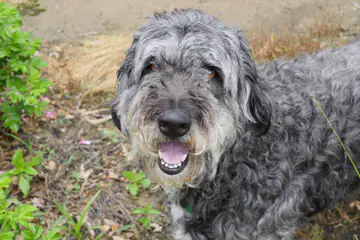 Aussiedoodle
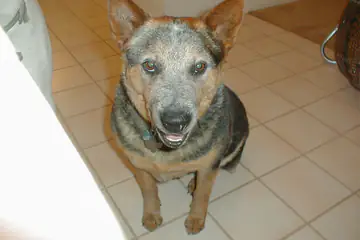 Australian Cattle Dog
More on the Kai Ken
Previous: Jug · Next: Karelian Bear Dog
Not veterinary advice. Breed information is general. Your own dog, and your own vet, always win.
Sources
- akc.org for adult weight and height, life expectancy, energy, grooming, shedding and the temperament ratings, coat type and health notes
- fci.be for country of origin
- Health notes from Kai Ken breed information at https://www.akc.org/dog-breeds/kai-ken/. Discuss any of these with your own vet.
Photo: Kei87c1, CC BY-SA 4.0, via Wikimedia Commons, cropped. All photographers are listed on the photo credits page.