Breeds / Large
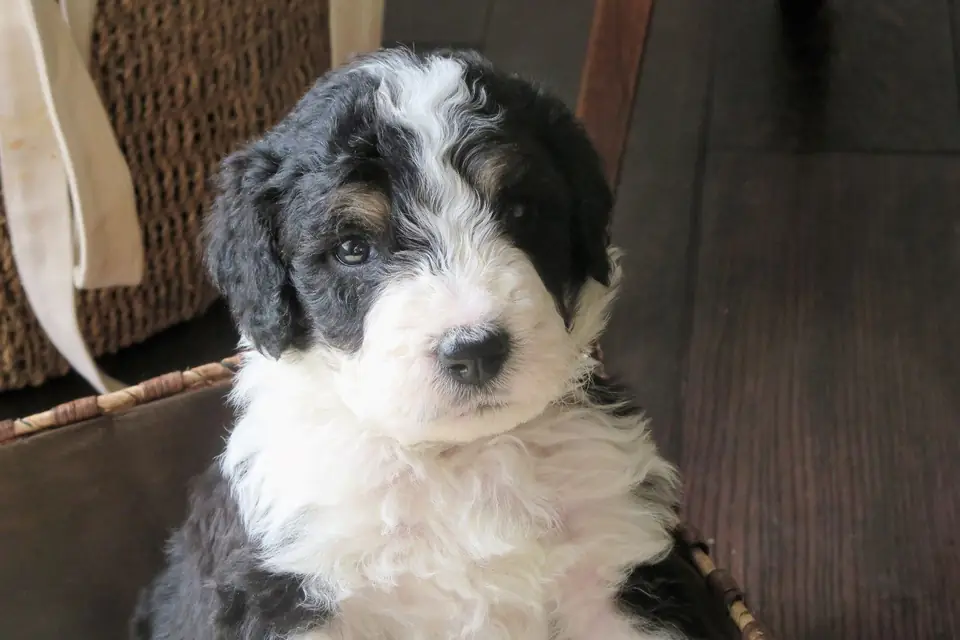
Bernedoodle puppies
The Bernedoodle is affectionate, playful and gentle, intelligent and easy to train, and tends to bark infrequently. They need at least two walks a day plus puzzle work and other mental enrichment.
The facts
- Size class Large
- A cross of Bernese Mountain Dog and Poodle
- Country of origin United States
- Adult weight 27.7 to 45.4 kg
- Adult weight in pounds 61 to 100 lb
- Adult height 58 to 74 cm
- Energy level High
- Grooming High
- Coat type Medium wavy to curly
- Typical lifespan 12 to 15 years
- Good with children Reliably good
- Good with other dogs Usually good
About the Bernedoodle
The Bernedoodle was bred deliberately in 2003 by a single kennel crossing the Bernese Mountain Dog with the Poodle. This is a big dog, 58 to 74 cm at the shoulder and up to 45.4 kg, usually in the black, white and tan pattern of the Bernese side, wearing a wavy or curly coat that sheds little. Temperament is affectionate and playful without much noise, and most of them take to training easily for their size.
Two good walks a day plus puzzle feeders or scentwork keep one settled, and loose lead work needs to be solid before the puppy grows into their adult frame. Weekly brushing is the minimum, and more is needed during the months when the puppy coat changes over. It is easy to assume a low shedding coat is a low maintenance one. It is not, and a matted Bernedoodle usually ends up shaved back to the skin.
A cross, not a breed. The Bernedoodle is a cross rather than a standardised breed, so size, coat and temperament vary and can favour either parent, and a first cross of two purebred parents is less predictable in coat and size than a later generation bred back to a Poodle. Miniature Bernedoodles from a Miniature Poodle usually reach 9 to 20 kg and tiny ones less than 9 kg, and the smaller variants tend to live longer than the standard figures here.
What to expect at eight weeks
At eight weeks a Bernedoodle puppy is sleeping around 18 to 20 hours a day, is not house trained, and cannot hold on for more than an hour or two at a stretch. A large breed puppy at eight weeks looks deceptively normal sized and will roughly double every few weeks for a while. Keep exercise short and low impact, the growth plates are wide open. This is a high energy breed. At eight weeks that shows up as intensity rather than stamina, and they will need a job to do long before they need long walks. Grooming needs are high. Start daily brushing and short, positive handling sessions at eight weeks, well before the adult coat arrives, or the first professional groom will be traumatic. The socialisation window is open and closing: everything they meet calmly now, from vacuum cleaners to men in hats, is easier for the rest of their life.
Health worth knowing about
Conditions this breed is reported to be predisposed to. Predisposed does not mean inevitable, it means ask about it.
- Hip and elbow dysplasia, screened by OFA or PennHIP radiographs in both parents
- Histiocytic sarcoma and other cancers from the Bernese side, diagnosed by imaging and biopsy
- Gastric dilatation volvulus, an emergency recognised by a distended abdomen, retching and restlessness, and reduced by a preventive gastropexy
- Progressive retinal atrophy, detectable by DNA test and eye examination
- Von Willebrand disease from the Poodle side, detectable by DNA test
- Atopic skin allergies, diagnosed by excluding other causes and by allergy testing
Your Bernedoodle puppy's first six months
- Vaccination schedule, dated for your country.
- Worming and parasite schedule.
- Feeding calculator. Set expected adult size to Large for a Bernedoodle.
- Adult size predictor, to check growth against the 27.7 to 45.4 kg adult range.
- Puppy names and the first week checklist.
Kit sizes: crate 48 inch (48 x 30 x 32 in, 122 x 76 x 81 cm) for an adult of up to 45.4 kg; chew toys made for large breeds. Worked out the same way as the crate size calculator. PetMD bases a crate on the dog's own measurements, not weight or breed alone, so measure once the puppy is home.
Buying guides for this
Other large breeds
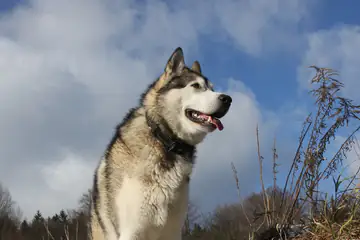
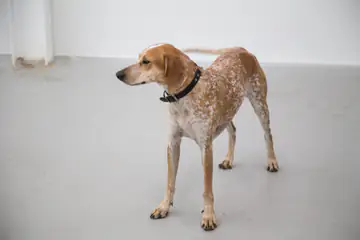
More on the Bernedoodle
Previous: Berger Picard · Next: Bernese Mountain Dog
Not veterinary advice. Breed information is general. Your own dog, and your own vet, always win.
Sources
- petmd.com for adult weight and height, life expectancy, energy, grooming and the temperament ratings, coat type and health notes
- purina.co.uk for country of origin
- Health notes from Bernedoodle breed information at https://www.petmd.com/dog/breeds/bernedoodle. Discuss any of these with your own vet.
Photo: Bernedoodles, CC BY-SA 4.0, via Wikimedia Commons, cropped. All photographers are listed on the photo credits page.