Breeds / Medium
Barbet puppies
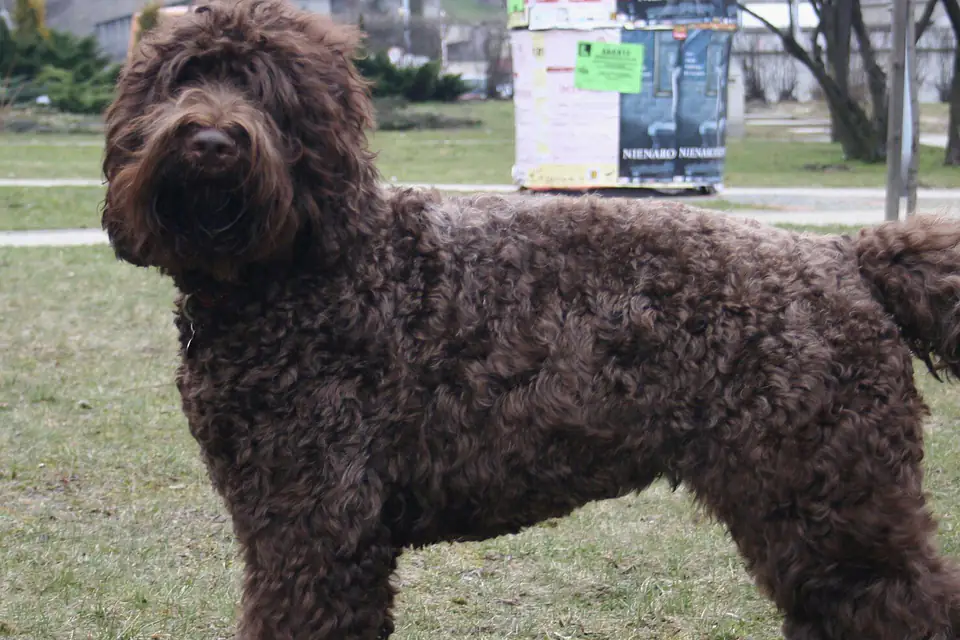
Cheerful, sociable and level headed, the Barbet is a French water dog bred to retrieve wildfowl from marshland. They are easy to train and content indoors after exercise, but their thick curly coat is high maintenance and they dislike being left alone.
The facts
- Size class Medium
- Country of origin France
- Adult weight 15.9 to 29.5 kg
- Adult weight in pounds 35 to 65 lb
- Adult height 48 to 62 cm
- Energy level Moderate
- Grooming High
- Coat type Medium to long wavy and curly
- Shedding Low
- Typical lifespan 12 to 14 years
- Good with children Fine with supervision
- Good with other dogs Fine with supervision
About the Barbet
The Barbet is a French water dog, used for centuries to retrieve wildfowl out of marshes, and they sit behind several modern breeds. They stand 48 to 62 centimetres, with webbed feet and a thick woolly coat of waves and curls covering the whole dog, beard included. Barbets are cheerful, level headed and sociable, keen to be involved in whatever is going on, and they take training well without the nervous edge some gundogs carry. The gene pool is small, so the breeding matters.
Grooming is the real cost: brushing and combing right through to the skin, a proper trim, then the coat wet down again to bring the curl back. Exercise is moderate, and swimming is the obvious outlet, though walks and garden play work too. They settle indoors afterwards but dislike long hours alone. They rate three out of five with children, so supervise and socialise. New owners buy a low shedding coat and underestimate how much time it takes to keep.
What to expect at eight weeks
At eight weeks a Barbet puppy is sleeping around 18 to 20 hours a day, is not house trained, and cannot hold on for more than an hour or two at a stretch. A medium breed puppy at eight weeks is a manageable armful that will not stay that way. Most of the growth happens between now and six months, so buy for the adult dog where you can. Expect moderate energy, in short bursts separated by long naps. Grooming needs are high. Start daily brushing and short, positive handling sessions at eight weeks, well before the adult coat arrives, or the first professional groom will be traumatic. The socialisation window is open and closing: everything they meet calmly now, from vacuum cleaners to men in hats, is easier for the rest of their life.
Health worth knowing about
Conditions this breed is reported to be predisposed to. Predisposed does not mean inevitable, it means ask about it.
- Hip and elbow dysplasia, which breeding stock should be x-rayed for
- Progressive retinal atrophy, detectable by DNA test on both parents
- Seizure disorders, diagnosed by a vet once other causes are ruled out
- Allergic skin disease, showing as itching, red skin and recurring infections
- Ear infections under the heavy drop ears, made likelier by swimming and found on regular ear checks
Your Barbet puppy's first six months
- Vaccination schedule, dated for your country.
- Worming and parasite schedule.
- Feeding calculator. Set expected adult size to Medium for a Barbet.
- Adult size predictor, to check growth against the 15.9 to 29.5 kg adult range.
- Puppy names and the first week checklist.
Kit sizes: crate 36 inch (36 x 24 x 26 in, 91 x 61 x 66 cm) for an adult of up to 29.5 kg; chew toys made for medium breeds. Worked out the same way as the crate size calculator. PetMD bases a crate on the dog's own measurements, not weight or breed alone, so measure once the puppy is home.
Buying guides for this
Other medium breeds
 American Cocker Spaniel
 American Pit Bull Terrier
 American Staffordshire Terrier
 American Water Spaniel
 Aussiedoodle
 Australian Cattle Dog
More on the Barbet
Previous: Barbado da Terceira · Next: Basenji
Not veterinary advice. Breed information is general. Your own dog, and your own vet, always win.
Sources
- akc.org for adult weight and height, life expectancy, energy, grooming, shedding and the temperament ratings, coat type and health notes
- fci.be for country of origin
- Health notes from Barbet breed information at https://www.akc.org/dog-breeds/barbet/. Discuss any of these with your own vet.
Photo: Pleple2000, CC BY-SA 4.0, via Wikimedia Commons, cropped. All photographers are listed on the photo credits page.