Your puppy is about to leave everything they know, and a few simple things make those first days easier for both of you. Have nine ready before they come home, plus a bag of the food they already eat, so their first nights smell and taste familiar.
The short version
- Nine things before day one: a crate or pen, a washable bed, food and water bowls, a collar and ID tag, a harness and lead, chew toys, an enzyme cleaner, a brush, and puppy pads if you plan to use them.
- Plus the food they already eat. The PDSA says to continue with the same food at first, and change later, slowly.
- Buy for the puppy you have, cheap and washable where you can, except the crate, which you size for the adult and divide.
- Wait on adult sized gear, coat specific grooming tools and anything seasonal until you know the puppy.

Puplr earns from some links on this page. We have not tested these products; the guide is built from the sources listed at the bottom and Puplr's breed data. How we write guides.
The day one list
Every welfare charity's list is a little different. These nine turn up across them, with the reason each one is there, in the charities' own words. Add a few days' worth of the food they already eat: PDSA says "It's a good idea to continue with the same food initially." Change later, slowly.
Affiliate links: Puplr may earn a commission at no cost to you. Full disclosure.
-
1 of 9
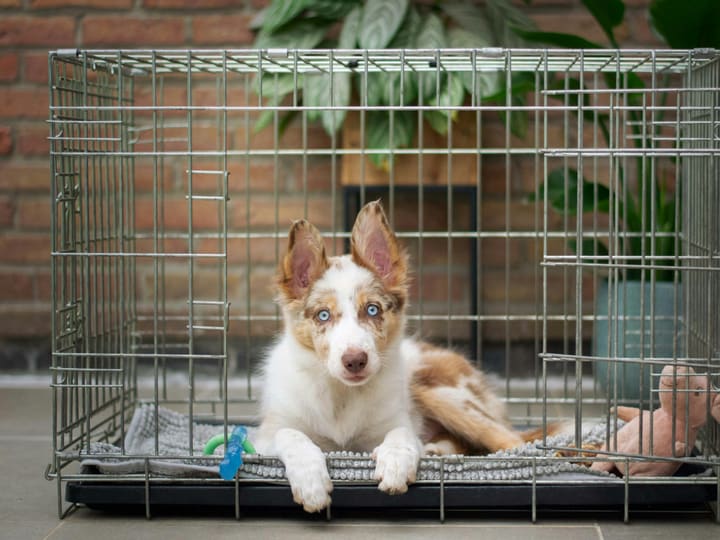
Crate or pen
Optional. Dogs Trust lists "a crate if you're planning to crate train your pup". Source
What to look for
- Sized for the adult, with a divider: AKC suggests a crate "appropriate for your puppy's adult size with a divider". Source
Search for A crate with a divider panel, sized for the adult dogSpend Buy once, for the adult
The photo shows the kind of item, not a product we picked. Photo: Ayla Verschueren, Unsplash, Unsplash License.
-

2 of 9
Washable bed
Dogs Trust: "comfortable, washable beds and bedding, large enough for your dog to sprawl flat out on." Source
What to look for
Search for A machine washable bed or crate pad, and a spareSpend Cheap and washable for now
The photo shows the kind of item, not a product we picked. Photo: Chris Leipelt, Unsplash, Unsplash License.
-
3 of 9
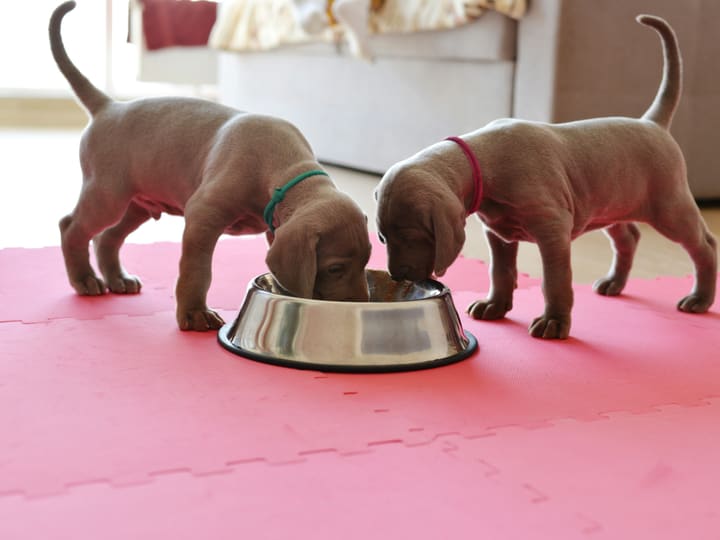
Food and water bowls
Dogs Trust adds "including spares", so one set can be in the wash. Source
What to look for
Search for Stainless steel bowls, grade 304 or 18/8, two setsSpend Replace any that crack or chip
The photo shows the kind of item, not a product we picked. Photo: Liana S, Unsplash, Unsplash License.
-
4 of 9
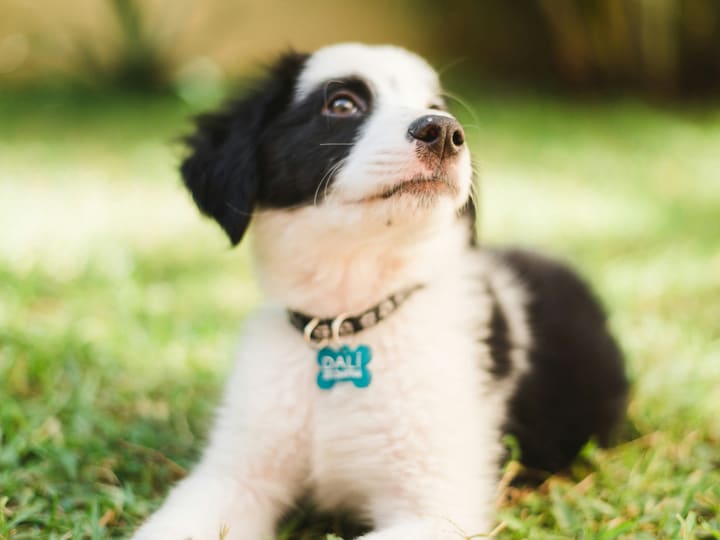
Collar and ID tag
In the UK a collar and tag is the law. Dogs Trust recommends adding your phone number to the tag. Source
What to look for
Search for A light flat collar and an engraved tag with your phone numberSpend Buy for now, resize as they grow
The photo shows the kind of item, not a product we picked. Photo: Brunxs, Unsplash, Unsplash License.
-
5 of 9
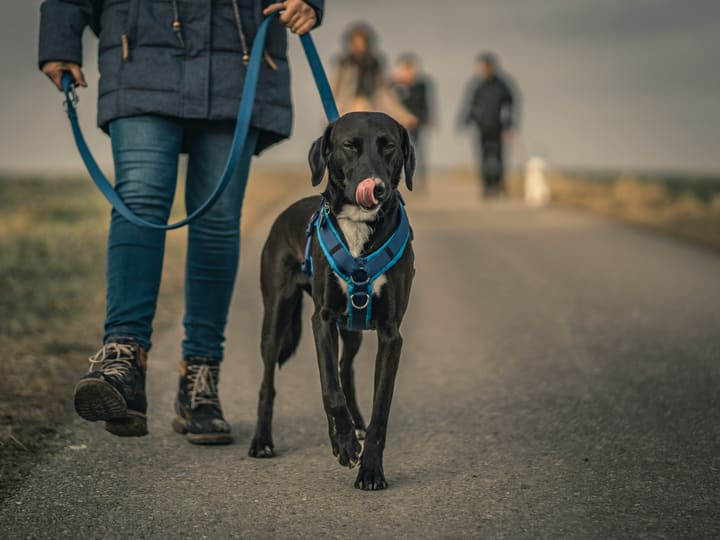
Harness and lead
Dogs Trust suggests a "fully-adjustable harness that your pup can move freely in and finds comfortable". Source
What to look for
- Buy for the puppy you have: RSPCA Australia says medium and large breed puppies need "a small collar/harness initially". Source
Search for A fully adjustable flat harness and a plain leadSpend Buy for now, resize as they grow
The photo shows the kind of item, not a product we picked. Photo: Dominik Kempf, Unsplash, Unsplash License.
-
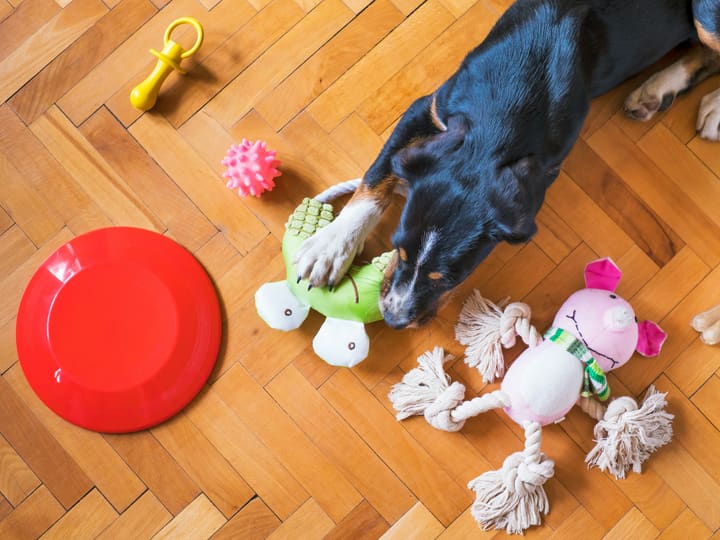 Search for Two or three bendy chew toys sized for your puppy's breed
Spend A few at a time, rotated
The photo shows the kind of item, not a product we picked. Photo: Mathew Coulton, Unsplash, Unsplash License.
-

7 of 9
Enzyme cleaner
Dogs Trust: "Enzymatic cleaners are best as they remove the urine particles that can encourage your dog to wee there again." Source
What to look for
- Not bleach: "Avoid using ammonia based products such as bleach as this is likely to cause your puppy to use the same area again" (Blue Cross). Source
Search for An enzyme cleaner made for pet urineSpend One bottle to start
The photo shows the kind of item, not a product we picked. Photo: Towfiqu barbhuiya, Unsplash, Unsplash License.
-
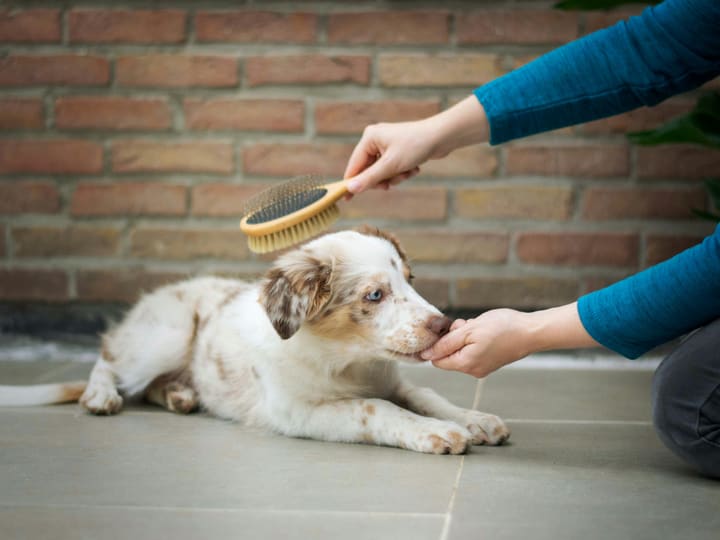
8 of 9
Brush or comb
On the PDSA's checklist. The point is handling: the RSPCA says to introduce grooming and being handled early. Source
What to look for
- Ask your vet "which brush would work best for your dog before any investment" (Blue Cross). The tool for the adult coat can wait. Source
Search for A soft puppy brush for short, gentle handling sessionsSpend Start cheap, the coat tool can wait
The photo shows the kind of item, not a product we picked. Photo: Ayla Verschueren, Unsplash, Unsplash License.
-
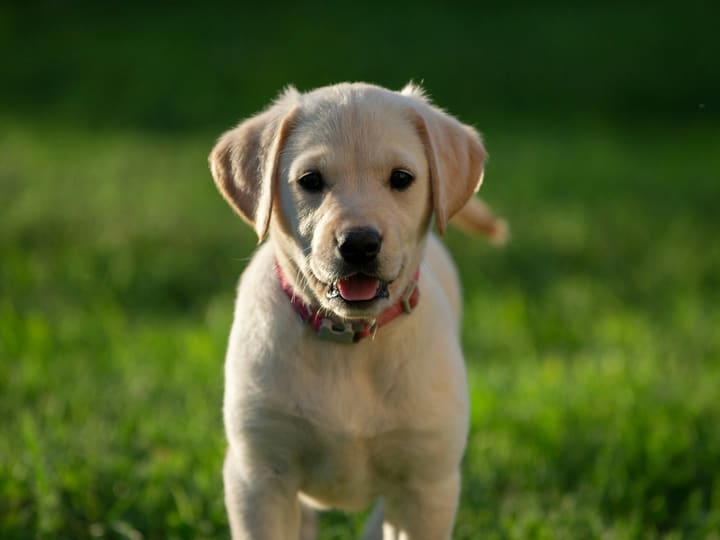
9 of 9 · optional
Puppy pads
RSPCA Australia: "useful during the toilet training process, especially when you're unable to supervise your puppy or need to leave the house." Source
What to look for
- Optional: AKC says pads "can sometimes slow the transition to outdoor elimination". Source
Search for Training pads, only if you will use themSpend Optional
The photo shows the goal, a puppy toileting outdoors, not a product. Photo: Ben Owen, Unsplash, Unsplash License.


If you are driving the puppy home, add a way to restrain them in the car: Dogs Trust lists a "puppy-specific car restraint or car crate for safe car travel".
Kit for your breed
The nine are the same for every puppy; the sizes and a few picks are not. Choose a breed, or a size and coat for a mixed breed, to see the crate size, chews, grooming tools and the bowl, harness and bed picks for that dog. Each pick says how sure the evidence is and links its source.
Choose a breed to see the kit sized and picked for it.

ID: what the law asks for
- United Kingdom. The Control of Dogs Order 1992 requires that a dog in a public place "shall wear a collar with the name and address of the owner inscribed on the collar or on a plate or badge attached to it." GOV.UK adds that "All dogs in the UK must be microchipped and registered by the time they're 8 weeks old", and that a microchipped dog "must still wear a collar and tag with your name and address when in a public place."
- Australia. Microchipping is compulsory in every state and the ACT, and in the Northern Territory only within the City of Darwin, with different deadlines: by 12 weeks in New South Wales and Queensland, and by three months in Victoria and Western Australia, according to RSPCA Australia's summary of state law (updated January 2024, so check your state's own site). RSPCA Australia also says a puppy should wear "a collar with a tag" and be registered with your council.
- New Zealand. Apart from some working dogs, dogs first registered on or after 1 July 2006 must be microchipped, and Selwyn District Council's page says "Owners must get their dogs microchipped within two months of registration." Registration is with your council, every year.
- United States and Canada. Rules are set locally. Humane World for Animals says every dog needs a collar "to attach their leash and license, ID and rabies vaccination tags", and BC SPCA says to get a dog licence "if required" from local animal control.
What can wait
- The adult collar and harness. RSPCA Australia: "If you have a medium or large breed puppy, you will need to purchase a small collar/harness initially, and reinvest in new collars as your dog outgrows them." The Royal Kennel Club agrees: "Don't get one you think they'll grow into eventually".
- A bigger bed. PetMD: "When your puppy can no longer stretch out or get comfortable in their bed, it's time for a larger size." Until then, cheap and washable wins.
- Grooming tools for the coat they grow. Blue Cross suggests asking your vet "which brush would work best for your dog before any investment". The tool depends on the coat, and Puplr's breed records show how many breeds have each:
| Coat | Tools, and why |
|---|---|
| Double coat148 breeds | Undercoat rake, Slicker brush, Deshedding toolA double coat is two coats, a soft undercoat under a coarse topcoat, and the undercoat has to be raked out rather than brushed over. Source |
| Curly or wool coat48 breeds | Slicker brush, Metal grooming comb, Detangling sprayA curly coat mats close to the skin, so brush daily with a slicker and then check your work with a metal comb. Source |
| Wiry coat41 breeds | Stripping knife, Metal grooming comb, Slicker brushA wire coat keeps its texture and its colour if the dead hair is stripped out, and loses both if it is clipped off. Source |
| Long silky coat29 breeds | Pin brush, Metal grooming comb, Detangling sprayA long silky coat breaks if you brush it dry, so use a conditioning spray and work down to the skin in layers. Source |
| Short smooth coat114 breeds | Rubber curry brush, Grooming gloveA short smooth coat still sheds, it just does it quietly, and a rubber brush lifts the loose hair before the sofa does. Source |
| Hairless or very light coat4 breeds | Dog sunscreen, Sun shirt, Sensitive skin shampooBare skin burns, so use a sunscreen made for dogs, never a human one, and keep the hottest hours indoors. Source |
Breed counts from Puplr's 384 breed records, matched on each breed's published coat type. A breed can fall in more than one row.
- Nail clippers and baths. For a new dog's first days, the ASPCA says to "Wait on nail clippings or baths, as these interactions may be unpleasant or frightening for your new dog." Handling the paws gently is a good start meanwhile.
- More toys. Dogs Trust notes of toys that "The size may need to change as your dog grows", and VCA suggests "having only a few out at any one time" and rotating them.
- Adult food. The PDSA says small dogs usually stay on puppy food "until they are around one year old, while large or giant breeds will need puppy food until around 18 months."
- Seasonal kit. Winter coats, cooling coats and paddling pools depend on the dog and the weather. The what to buy page lists them by coat and build.

Claims that do not hold up
"Stainless steel bowls hold fewer bacteria." The evidence points both ways. Today's Veterinary Nurse reports a study in which "plastic pet dishes contained the most bacteria". But a 2023 study of 96 dog bowls in BMC Veterinary Research found "metal bowls were more significantly contaminated compared with plastic bowls", and its authors note an earlier study found no difference by material. What the sources agree on is washing: daily, and replacing a bowl that is cracked or chipped.
"A microchip means you can skip the tag." Not in the UK, where GOV.UK says a dog "must still wear a collar and tag". Dogs Trust recommends putting your phone number on the tag as well.
"Buy everything in the adult size to save money." Right for the crate, which comes with a divider. Wrong for collars and harnesses, which the Royal Kennel Club and RSPCA Australia both say to buy for the puppy you have.
"A collar will damage a puppy's windpipe." A 2026 review found "There is no reported documentation of tracheal trauma from chronic use of a collar for training despite claims to the contrary." The case for a harness rests on measured neck pressure instead: in a 2020 Veterinary Record study using a model neck, "No single collar tested provided a pressure considered low enough to mitigate the risk of injury when pulling on the lead." The same review warns that collars become embedded when "a dog grew without having its collar resized", which is why the fit checks matter as much as the type. The exception is a windpipe that is already weak, which the breed picker flags.
"Hard chews are best for teething." VCA's teething page, citing veterinary dentists: "don't let your dog chew anything that won't bend." Blue Cross does list nylon bones, and VCA's own new owner page suggests nylon chew bones, so the sources disagree; the PDSA fingernail test is the simple way to decide.
"Any household cleaner will do." Dogs Trust: "Other household cleaners or disinfectants aren't effective enough at removing the scent."
"Puppy pads are a must." They are optional. AKC says they "can sometimes slow the transition to outdoor elimination", and RSPCA Australia says that as the puppy learns, "the puppy pads should be removed."
"A raised bowl is better for a big dog." In a study of 1,637 large and giant breed dogs, a raised feeding bowl went with more bloat, not less. The breed picker shows this for the deep chested breeds it applies to.
The first days
- Bring something that smells of home. The RSPCA suggests taking a blanket from the puppy's first home "so they have something familiar and comfortable to snuggle in."
- Keep their food and routine. The PDSA's first day advice: "Stick to your puppy's normal food times." If you change food later, Blue Cross says to do it "over a week to 10 days".
- Stay close. The ASPCA's advice for any new dog: "Try not to leave your new pup home alone for the first 48 hours."
- Start handling and brushing gently. The Royal Kennel Club: "Gradually introduce the concept of grooming in very short sessions."
- Work through the rest of the week with the first week checklist, and budget for the year with the first year cost calculator.

Common questions
What do I need for a new puppy?
The nine above: a crate or pen, a washable bed, bowls, a collar and ID tag, a harness and lead, chew toys, an enzyme cleaner, a brush, and puppy pads if you will use them. Add the food they already eat and, if you drive them home, a car restraint.
Do I need a crate for a puppy?
No, but it helps many owners. Dogs Trust lists a crate only "if you're planning to crate train your pup", and the ASPCA says that for some dogs "an exercise pen or a dog-proof room may be a less stressful way to keep them out of trouble". If you buy one, size it for the adult and use a divider; crate training covers the rest.
What size crate does my breed need?
Pick the breed in the breed picker. It reads the breed's published maximum adult weight against PetMD's crate sizing chart, the same rule as the crate size calculator. PetMD's caveat applies: measure the dog once they are home.
Should I buy a collar or a harness?
Both, for different jobs. A collar carries the ID tag, which is the law in the UK. A harness takes the pull off the neck on walks; RSPCA Australia calls it "ideal for walking and training your dog as it prevents them pulling on and potentially hurting their neck."
What size bed should I buy?
The sources differ. The Royal Kennel Club says buy one "big enough for it to grow into and stretch out in"; PetMD says move up a size when the puppy can no longer stretch out. Either way, buy something washable first.
How much does it cost?
It depends on the country and the shop, which is why Puplr does not quote prices. The first year cost calculator adds up the published figures for your country, row by row.
Why are there no photos of the actual products?
Amazon only lets its Associates show product photos fetched through its own product API, and that is not open to a site until it has made sales through it. The photographs here are licensed photos of the kind of item, not of a product we picked, and each card links to search results so you see the real products, photos and prices yourself.
How we worked this out
We did not test any products. This guide is built from what welfare charities, veterinary authors, kennel clubs, UK law and a New Zealand council publish, across the five countries Puplr covers, all opened and read on 3 October 2026 and quoted word for word where they are quoted. Every source is listed below.
The nine items are Puplr's own starter kit, the same list that sits on the home page and the what to buy page, and each one appears on at least one of the charity checklists cited here. The coat chart is built from Puplr's 384 breed records.
The breed picker works from those same breed records: the size class and published adult weight for the crate and chews, the coat type for the grooming tools, and the published health notes for the flat face, deep chest, long back, windpipe and joint picks, matched with the same rules as the kit on each breed page. Every pick carries its source and a plain label for how sure the evidence is: a study measured it, it is charity and vet advice, or it is advised but not proven. Food, supplements and anything for fleas, ticks or worms are left out: those belong with your vet.
The photographs are real photographs, licensed for commercial use and credited under each one and on the photo credits page. They show the kind of item, not a product we chose.
Where the sources disagree, we have said so. The main differences:
- Crate size. Most say buy for the adult; BC SPCA says a puppy "will need a smaller one and as they grow, they'll need more space", and Dogs Trust and VCA's crate page also say you may need a bigger crate later.
- Bowl material. The two bacteria studies found opposite results for metal and plastic.
- Hard chews. VCA's teething page, citing veterinary dentists, says nothing that will not bend; Blue Cross, and VCA's own new owner page, include nylon bones.
- How fast to change food. Blue Cross says a week to 10 days, the PDSA a couple of weeks, SPCA New Zealand one or two weeks.
- How often to check the collar. The Royal Kennel Club says almost daily, RSPCA Australia at least a few times a week.
This guide was drafted with an AI writing tool and checked against every source listed. Read more about how we write buying guides.